St. Martin’s Day and the Christmas Season

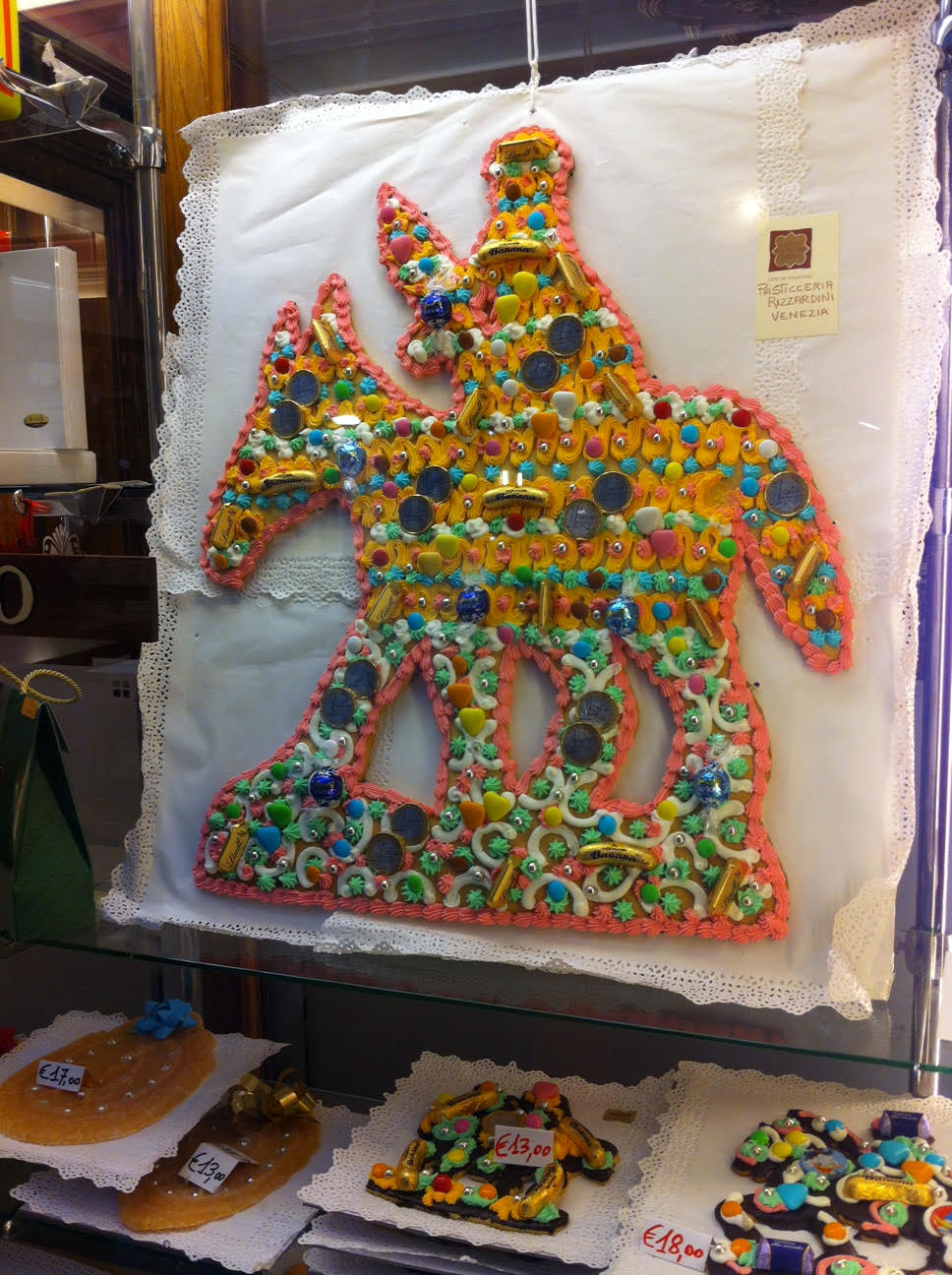
A cookie for St. Martin’s Day on display in a bakery window in Venice, Italy shows St. Martin on his horse ready to cut his cloak in half.

St. Martin of Tours was a Roman soldier in 4th century Gaul. He met a beggar one cold, snowy day who begged him for a rag or two to keep himself warm. St. Martin toook his sword and cut his cloak in half, giving a portion to the beggar. That night, he had a dream in which he saw Christ enthroned in glory, wearing the half of the cloak Martin had given to the beggar. “Where did you get such a cloak?” he heard the angels ask Christ. “My friend Martin gave it to me,” Christ replied.

When he awoke, Martin abondoned his duties as a soldier and became a monk. He attracted many disciples and became a famous monk. He insisted that his disciples always care for any poor person who came to the monastery gate because the monks would be serving Christ when they served the poor. He was made the bishop of Tours. Many hospices and hostels for the poor were dedicated in his honor. The ruins of one such hospice in Oxford–at the bottom of Carfax Tower–still has his image above what’s left of the front gate.

St. Martin’s feast day is November 11 and in many European countries that is the beginning of the “holiday season.” There was a 40-day fast before Christmas and St. Martin;s Day was the last important feast day before Christmas; families would often have a fancy goose dinner on St. Martin’s Day to mark the last occasion to have a big meat dinner before Christmas. (According to legend, Martin was reluctant to become bishop, which is why he hid in a stable filled with geese. The noise made by the geese betrayed his location to the people who were looking for him.) The goose dinner on St. Martin’s Day was a “rehearsal” for the goose dinner on Christmas Day, much as the turkey dinner on Thanksgiving in the United States is now often a “rehearsal” for the family dinner on Christmas Day.

In many European towns or villages a man dressed as St. Martin rides on a horse in front of a procession to celebrate St. Martin’s Day. The children sing songs about St. Martin and greet him as Americans greet Santa Claus at the end of the Thanksgiving Day parade in New York.
Guy Fawkes Day: “Remember, remember the 5th of November!”

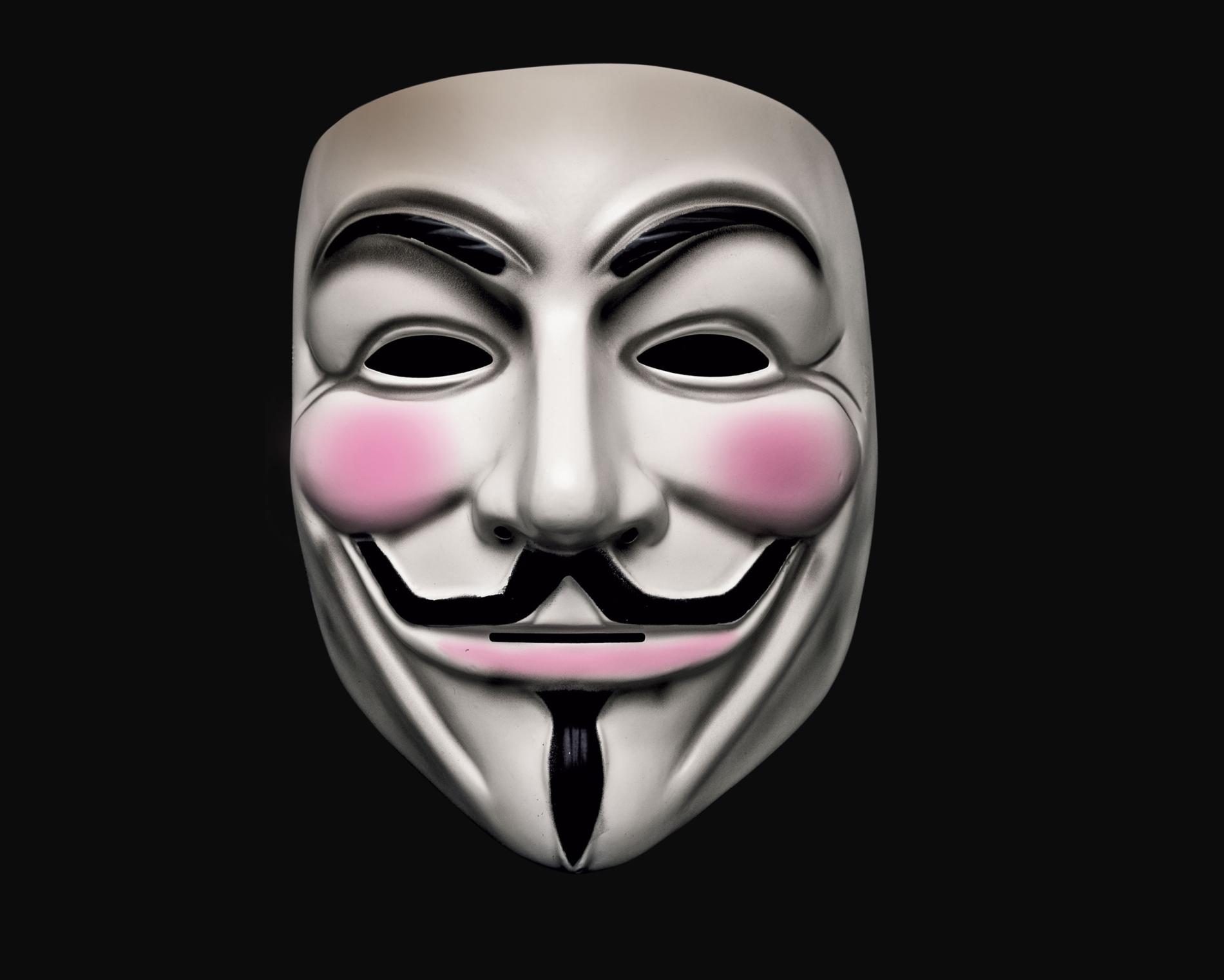
In the 2005 film “V for Vendetta,” Hugo Weaving’s character wears a Guy Fawkes mask.

November 5 is celebrated as Guy Fawkes’ Day in Britain. It is the anniversary of the failed “Gunpowder Plot” to blow up the Houses of Parliament and King James I in 1605.

Guy Fawkes was a member of a group of provincial English Catholics. He travelled to Spain to seek support for a Catholic rebellion in England without success. He later met Thomas Wintour, with whom he returned to England. Wintour introduced Fawkes to Robert Catesby, who planned to assassinate King James I and restore a Catholic monarch to the throne. The plotters leased an undercroft beneath the House of Lords and Fawkes was placed in charge of the gunpowder they stockpiled there. Prompted by the receipt of an anonymous letter, the authorities searched Westminster Palace during the early hours of 5 November and found Fawkes guarding the explosives. Over the next few days, he was questioned and tortured and eventually confessed. Immediately before his execution on 31 January, Fawkes jumped from the scaffold where he was to be hanged and broke his neck, thus avoiding the agony of the mutilation that would have followed.

The night of November 5 is celebrated with bonfires and fireworks. Every year people throw scarecrow-like effigies of Guy Fawkes onto bonfires, and each year new effigies reappear only to be consumed by fire as well. Is it possible that the witty author of the Harry Potter books, J.K. Rowling, named Professor Dumbledore’s pet phoenix Fawkes after Guy Fawkes? For legend has it that each year the phoenix bird bursts into flames only to be reborn out of the ashes.

Czechoslovakia is born!

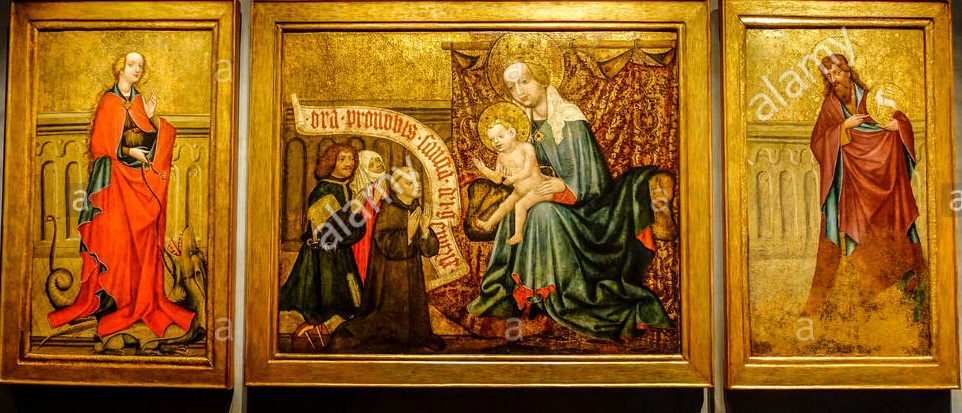
Altarpiece from Hyrov, after 1430; National Gallery of Medieval Art, St Agnes Convent, (Prague, Czech Republic)

October 28, 1918 — The Republic of Czechoslovakia was founded, assembled from three provinces (Bohemia, Moravia, and Slovakia) which had been part of the former Austro-Hungarian empire.

Bohemia had been a duchy in the Middle Ages and then a kingdom in the eleventh century. “Good King Wenceslaus” of the popular Christmas carol was actually the Duke of Bohemia in the tenth century. Most people no longer remember that Prague–the capital of Bohemia–was the cultural and political capital of Europe for several hundred years, beginning in the 1340s. Art was so important to Czech culture that painters were exempt from military duty!

Bohemian culture always valued individualism and following one’s particular calling or conscience; hence, the association of “Bohemian” with the counter-culture of the mid-20th century in New York City and the United States.

The prophetess Libuse selected the site of the city in the AD 700s and married a local farmer to begin the Czech royal family.

Walpurgis Night is still one of the most popular of Czech holidays. According to the traditional Czech stories, the night of April 30-May 1 was magical. Not only was evil believed to be more powerful at this time, but also those who felt brave enough to go outside could find treasures if they carried with them items such as wood fern flower, wafer or sanctified chalk. It was also believed that during the night witches were flying and gathering for the Sabbath. To protect themselves, villagers burnt bonfires on hills and set fire to brooms, which were then thrown into the air to reveal any flying witch. These celebrations are nowadays accompanied with music and traditional food and mark the opening of the tourist season.

Click here to discover more about mysterious, beautiful, magical Prague!