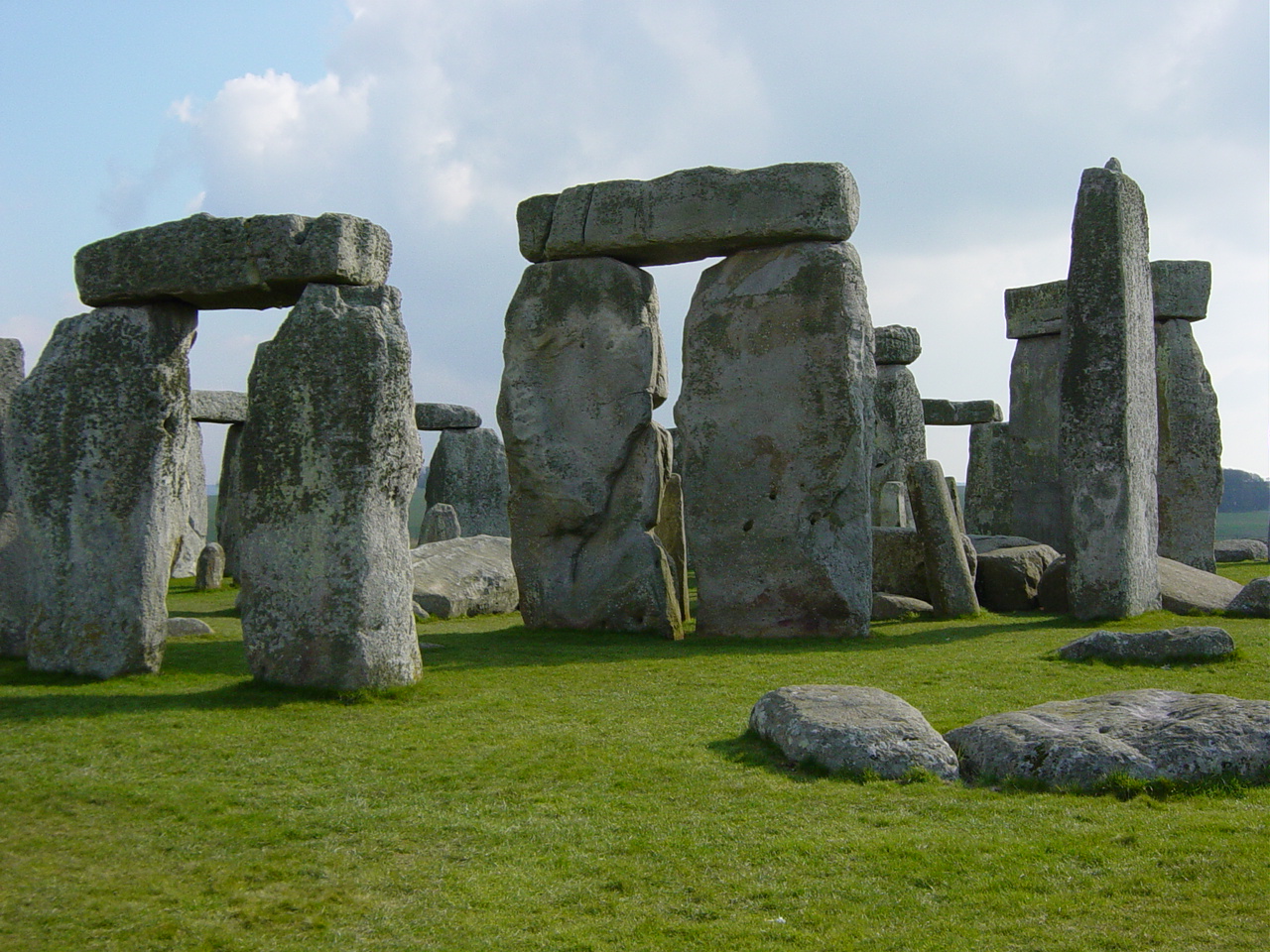
Stonehenge is considered by many to be a Druid ritual/astronomical site used to mark the seasonal solstices or equinoxes.
The spring equinox was long considered the beginning of the year in many places; one of which, England, only adopted January 1 as New Year’s Day in 1752. Many of the egg-beliefs now associated with Easter were previously equinox-based. But the springtime equinox always marks the balance of light and dark, night and day and is the magical marker that indicates the world is steadily moving toward the zenith of light (midsummer).
If you make a wish upon seeing the first robin on the day of the vernal (springtime) equinox and complete the wish before the robin flies away, it will come true!
Luckily, your chance to make this wish is soon — the vernal equinox is this week! The pre-industrial, pre-modern world considered February 1-2 to be the first day of spring and the equinox to be “mid-spring,” but most of the modern world thinks of the equinox as the “first day of spring.” Although the equinox marks a consistent astronomical event (crossing the midpoint between the longest and shortest days of the year), the calendar date of the equinox has shifted considerably.
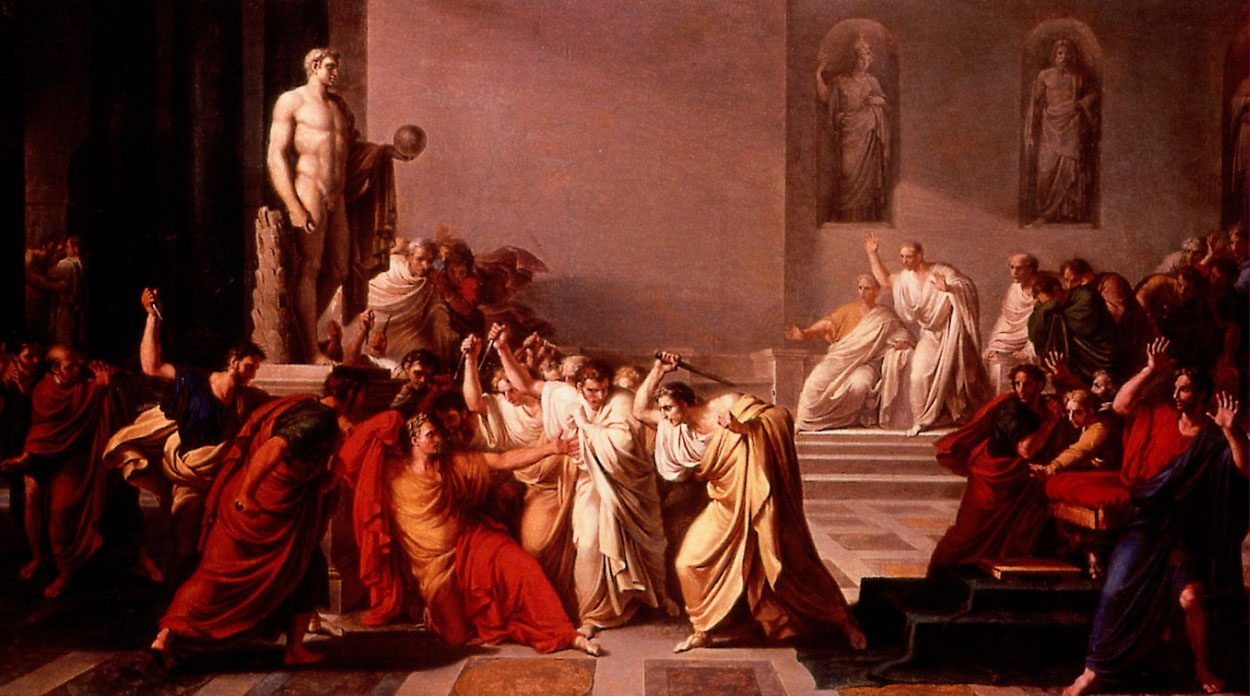
Julius Caesar ordered that the date of the equinox would be known as March 25 and that was the pivot around which the rest of the year rotated. But as the (slightly inaccurate) calendar grew more and more out of alignment with the position of the sun, the equinox crept up earlier and earlier until it was actually happening on March 11. When Pope Gregory XIII revised the calendar in 1582, the equinox was restored to March 25. But even though the current calendar is more accurate than Julius Caesar’s, it has still allowed the equinox to drift. Throughout most of my childhood, the equinox was observed on March 21; now, it is often observed on March 20 (as it is this year).