“Beware the Ides of March, 2018!”

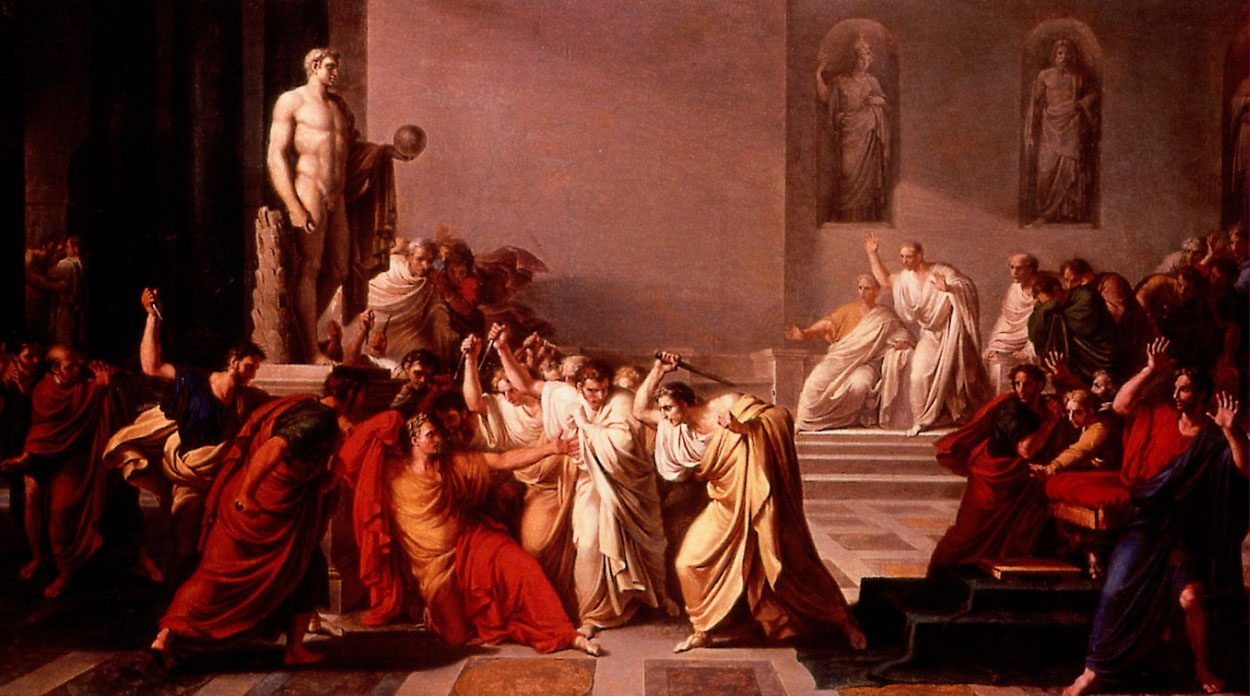
Vincenzo Camuccini, "Morte di Cesare", 1798,

Vincenzo Camuccini, “Morte di Cesare”, 1798,

“Beware the ides of March!” the prophet warned Julius Caesar in 44 B.C. and Caesar was assassinated shortly thereafter, on the ides. Ever since, the Ides of March has been a day associated with doom, disaster, or failure in some form. But what is the “ides”?

Unlike currently used dates, which are numbered sequentially from the beginning of the month, the Romans and medieval Europeans counted backwards from three fixed points: they designated the “kalends,” the “nones,” and the “ides” and all other dates were based on these. (ex. the kalends = the 1st, the nones = the 5-7th, and the ides = the 13-15th days of the month). For instance, rather than saying, “Today is March 3” they would say, “Today is three days before the nones of March.” The kalends marked the new moon, the nones was the half-moon and the ides was the full moon.

The ides of the month marked the full moon and thus the following days of each month were governed by the waning moon, a good time for curses as dark magic grew more powerful as the nights grew darker. Not only would dark magic grow stronger but the darker nights also made crime in general more likely. That the last half of each month was steeped in evil and disaster was underscored by its association with the assassination of Caesar.
Pietà

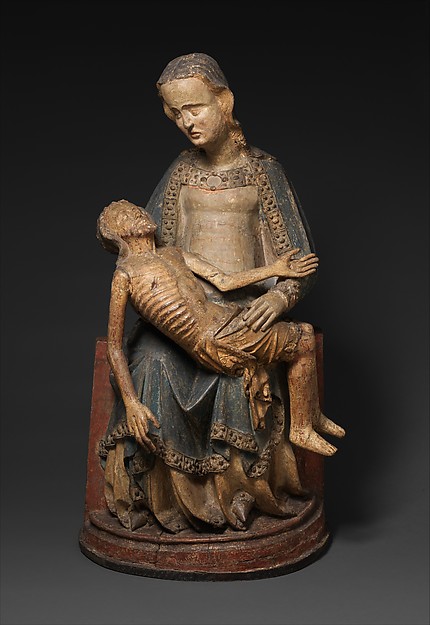
A German depiction of the Pietà, c. 1375–1400

Renaissance genius Michelangelo (1475-1564) was born on March 6 in Caprese, Italy. He was a painter, sculptor, architect, poet and visionary best known for his fresco on the ceiling of the Sistine Chapel and his sculptures David and The Pieta.

The Pietà (“pity”) was an image designed to provoke pity and charity among the viewers. The Virgin Mary holds the dead body of her son, Jesus, on her lap. She is often identified as an altar in these images, especially the ones in which her knees are spread wide to support the body of Christ stretched out across them, because her lap–draped with her gown and veil–looks similar to the rectangular altars in medieval and Renaissance churches which were also draped with brocade during the celebration of the Eucharist. The offerings viewers make in response to the image–food for the hungry, clothes for the naked, medicine for the sick–are identified with the offering of the Virgin’s son on the Cross and on the altars.

In some places, gifts of wheat were made to churches in honor of the Pietà image. The wheat would be used to make bread for the poor as well as bread for the Eucharist. Jesus, a dead body but identified as the Bread of Life on the lap of his Mother, is awaiting the Resurrection. The viewers who make these gifts of wheat are likewise awaiting their own opportunity to share the Resurrection and hope that their gifts will move Christ to judge them mercifully, with pity.

Festivals in honor of the Pietà image grew in popularity in the 12th century in German-speaking areas. One was especially popular in Cologne in 1423 and was held on the Friday after the third Sunday after Easter. During the sixteenth century these festivals spread through areas in North Germany, Scandinavia, and Scotland. By the early 1700s, the Pietà festival was common throughout Western Europe.

Mary, Queen of Scots

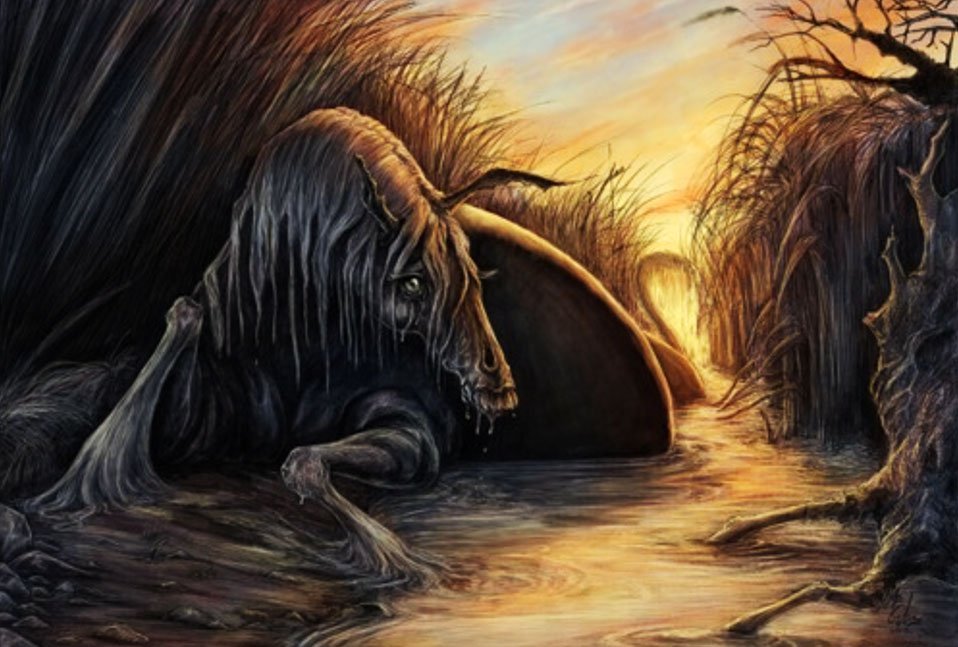
Kelpie, or water kelpie, is the Scots name given to a shape-shifting water spirit inhabiting the lochs and pools of Scotland. It has usually been described as appearing as a horse, but is able to adopt human form.

Mary Stuart, commonly known as “Mary, Queen of Scots” was beheaded on February 8, 1587 at the order of her cousin Queen Elizabeth I of England. Mary (a Roman Catholic) had become caught up in complicated plots and counterplots surrounding Elizabeth, a Protestant queen, on the throne of England. Although Mary was kept a prisoner in England for 19 years and was finally beheaded for her role in a plot to have Elizabeth killed, Mary and Elizabeth never met. But the other great queens of the Scots were the goddesses known as the “hag”, the Cailleach, and the Giantess.

The folklore of Scotland is not nearly as well known as the folklore of Ireland or England, except perhaps for the monster said to live in Loch Ness. The first reported sighting of the Loch Ness Monster was in the River Ness in 565 AD. The Irish monk Saint Columba was staying in the land of the Picts with his companions when he came across the locals burying a man by the River Ness. They explained that the man had been swimming the river when he was attacked by a “water beast” that had mauled him and dragged him under. They tried to rescue him in a boat, but were able only to drag up his corpse. Hearing this, Columba stunned the Picts by sending his follower Luigne moccu Min to swim across the river. The beast came after him, but Columba made the sign of the cross and commanded: “Go no further. Do not touch the man. Go back at once.” The beast immediately halted as if it had been “pulled back with ropes” and fled in terror, and both Columba’s men and the pagan Picts praised God for the miracle. Many modern people think the monster is a lone survivor of the otherwise extinct plesiosaurs.

Brownies–not the youngest division of Girl Scouts!–are said to inhabit houses and aid in tasks around houses in Scotland, like getting rid of spiders. However, they do not like to be seen and will only work at night, traditionally in exchange for small gifts of food. Among food, they especially enjoy porridge, honey, butter, and cream. They usually abandon the house if their gifts are called payments, or if the owners of the house misuse them. Brownies make their homes in an unused part of the house, often in attics and holes in walls.

You can read more about Scottish mythology here. Or find lots of fairy tales from Scotland here.