Candlemas, 2015

Marking the 40th day after Christmas, Candlemas celebrates the triumph of light/spring over darkness/winter. Candles blessed on this day were among the most powerful talismans available to ordinary folk in the Middle Ages.

Marking the 40th day after Christmas, Candlemas celebrates the triumph of light/spring over darkness/winter. Candles blessed on this day were among the most powerful talismans available to ordinary folk in the Middle Ages.

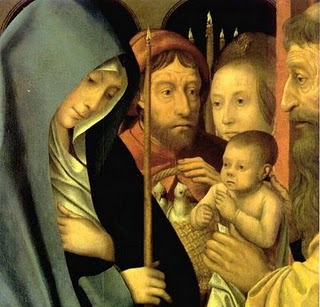
Candlemas, the name taken from the custom of blessing the year’s supply of candles on this day, is the 40th day after Christmas and marks the day Jesus was brought into the Temple by the Mother of God and acclaimed by the elder Simeon as “the light of revelation to the Gentiles and the glory of … Israel.” He also told the Mother of God that a sword would pierce her own heart during the ministry of her Son.

Candlemas, attached to the older feast of Imbolc and the quarter-day between Winter Solstice and Vernal Equinox and thus marking the first day of spring, was even more popular than Christmas in many areas (such as those under the influence of Byzantium and Byzantine Christian culture). People would flock to the churches to obtain the candles blessed on this day as the power of these candles to dispel darkness, death, illness, demons, and nearly anything else that might be considered dangerous to humans was widely reputed to make them the most powerful weapons in the medieval arsenal against evil.

It was also common in western Europe for new archbishops or other leading churchmen to receive their pallium (the “stole,” a vestment similar to a scarf that drapes around the shoulders) on this day, woven from wool sheared from lambs on St. Agnes’ day (January 21). But Pope Francis announced last week that this year the new archbishops will instead be invited to Rome for the feast of SS. Peter and Paul in June (better weather than January?) and then be given their pallium back home by the local papal nuncio.
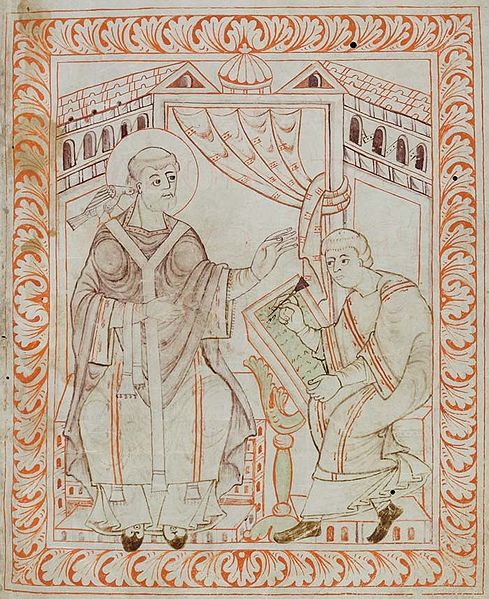
10th century illumination of St. Gregory the Great wearing his pallium.
10th century illumination of St. Gregory the Great wearing his pallium.
[

Imbolc, the First Day of Spring? And Groundhogs!

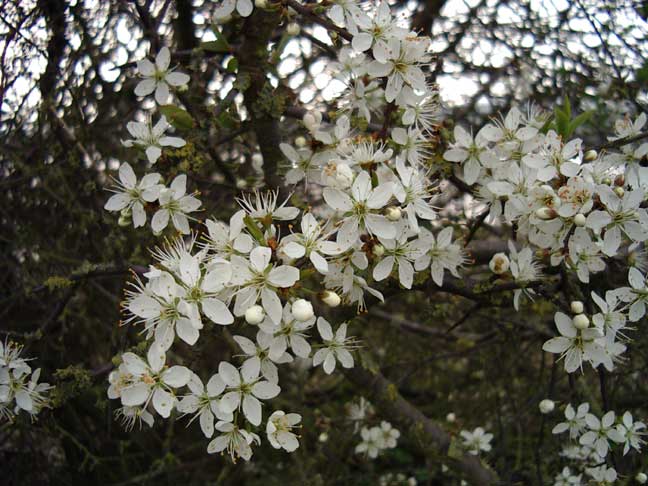
Blackthorn blooming at Imbolc.

Blackthorn blooming at Imbolc.

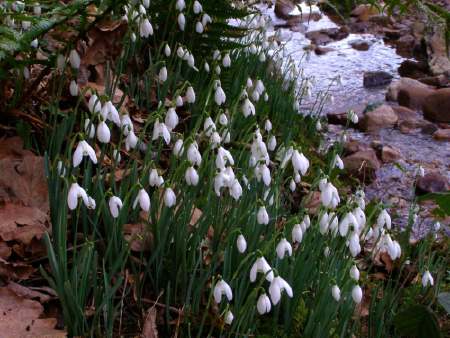
Snowdrops at a creek -- photo by Tony Eaglehart

Snowdrops at a creek announce Imbolc. The first blooms of snowdrops or blackthorns or the first birth of the new lambs were often considered the announcement of Imbolc’s arrival. (photo by Tony Eaglehart)

Although #Blizzard2015 might make it hard to believe, the Celtic — and magical! — festival of Imbolc, celebrated February 1-2, was considered the first day of spring in Celtic cultures and across Europe in general during the medieval period. Although we nowadays generally consider the solstice or equinox the first day of a season (December 21 as the first day of winter, March 21 as the first day of spring, June 21 as the first day of summer, and September 21 as the beginning of autumn), those days were previously considered the mid-seasons. (That is why we can sing Christmas carols about “midwinter” in December and have Midsummer night dreams in June!) The traditional changes of the seasons were the “quarter days” which marked the midpoints between the mid-seasons. So we get the Celtic/magical festivals of Samhain (October 31, the first day of winter), Imbolc (February 1-2, the beginning of spring), Beltane (May 1, the first day of summer), and Lammas (August 1, the beginning of autumn).

Because Imbolc is the beginning of spring, it is often associated with various means of predicting the coming weather which is so crucial during the planting season of agricultural societies. Hence, we consult the groundhog to determine if he sees his shadow or not in order to know if cold and snow will last another six weeks or not. In Serbia, a bear who wakes from his hibernation to stumble out of his cave and see his shadow will know whether to go back to sleep for another six weeks or not, based on whether he sees his shadow.

Imbolc was believed to be when the Cailleach—the divine hag of Gaelic tradition—gathers her firewood for the rest of the winter. Legend has it that if she wishes to make the winter last a good while longer, she will make sure the weather on Imbolc is bright and sunny, so she can gather plenty of firewood. Therefore, people would be relieved if Imbolc is a day of foul weather, as it means the Cailleach is asleep and winter is almost over. At Imbolc on the Isle of Man, where she is known as Caillagh ny Groamagh, the Cailleach is said to take the form of a gigantic bird carrying sticks in her beak.

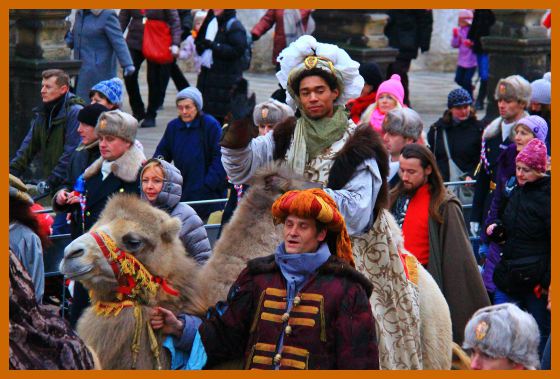
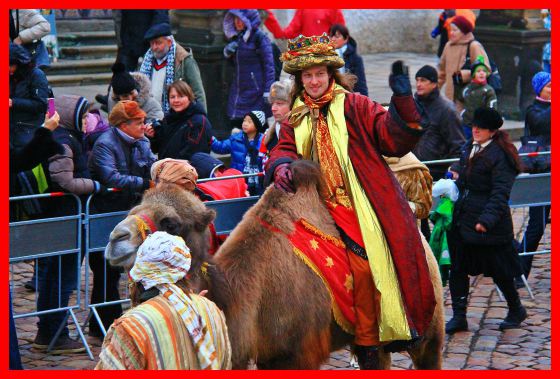
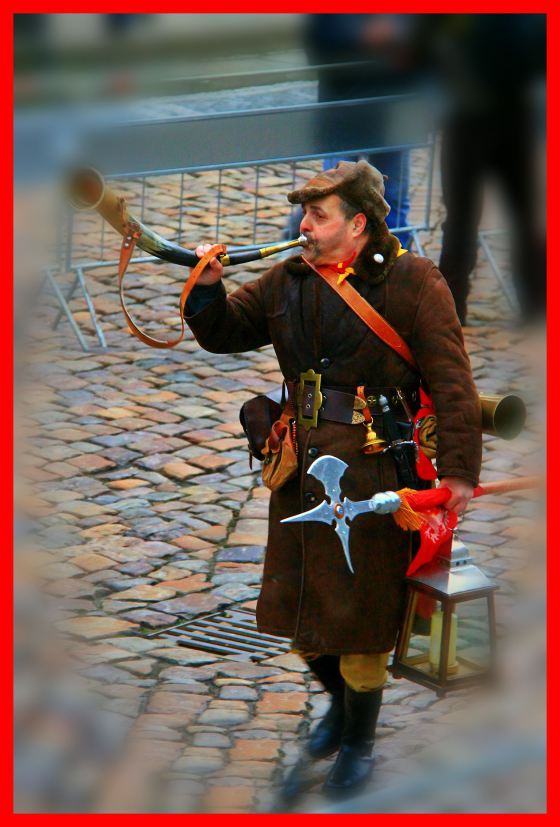
Epiphany in Prague, 2015

befunky_3-kingsparade-005 Prague 2015

befunky_3-kings parade-004 Prague 2015

befunky_2 3-kings parade Prague 2015

befunky_3-kings parade Prague 2015

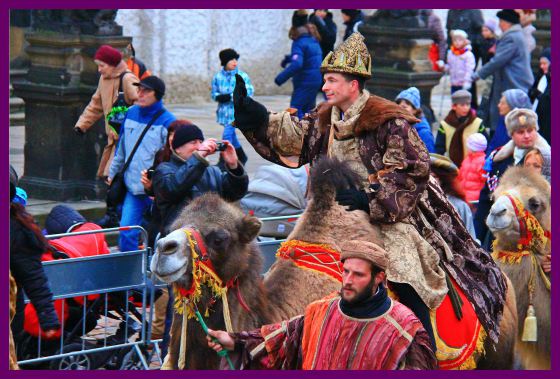
These wonderful photos of the Parade of the Three Kings (held in Prague this past week, on January 6) were taken by the good folks at the Czechrus website. This is one of the blogs about contemporary life in Prague and the Czech Republic that I follow. Another one is by Ricky Yates. If you are interested in what’s going on in Prague these days — in addition to what went on in the 1350s or the summer of 2002, as described in Come Hell or High Water — you should look at these two blogs. If you do, tell them I sent you! 🙂