St. Mary of Egypt

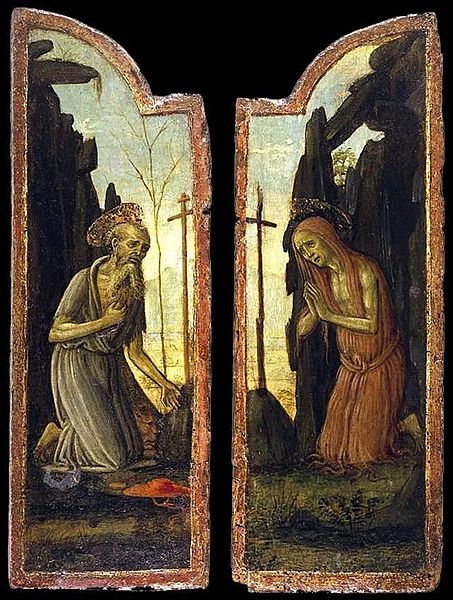
St Jerome and St Mary of Egypt (first half of 16th century)

St. Mary of Egypt was among the most popular saints of the Middle Ages. She is still extremely well-known in the Orthodox Church although she is not as well known anymore among Western Christians. She is considered a model of repentance and commemorated on April 1 (the anniversary of her death) and the 5th Sunday of Lent (in the Orthodox liturgical tradition).

According to her life (written by Sophronius, 7th century patriarch of Jerusalem and available in the Golden Legend), Mary was a sexually active young girl who ran away from home in Egypt when she was 12. Her parents never heard from her again and never knew what befell their daughter. She made her way to Jerusalem, seducing men along the way. She had a conversion experience in Jerusalem and fled into the desert, where she lived as a hermit for several decades. A lone monk discovered her one spring and learned the story of her life. He brought her Holy Communion the next year. When he attempted to meet her a third time, he discovered her body and realized that she had died only hours after he had given her Holy Communion.

She was clearly a headstrong young woman. She used the resources available to her to make her way in the world. Coming from a poor, rural family, that meant her only resource was her body. But her conversion experience made her realize that relying on her sexuality to survive was a dead-end; she wanted more than a collection of sensual experiences and memories to give meaning to her life. So she embraced an extreme form of desert asceticism as a hermit. Just as her sexual behavior was extreme, her asceticism was as well. She was not given to half-measures.

There were many versions of her life available in medieval Europe, a testimony to her popularity. Many of them are still available, in translation. Her image was painted many times as well.
“Happy New Year 2019?!” Annunciation Day

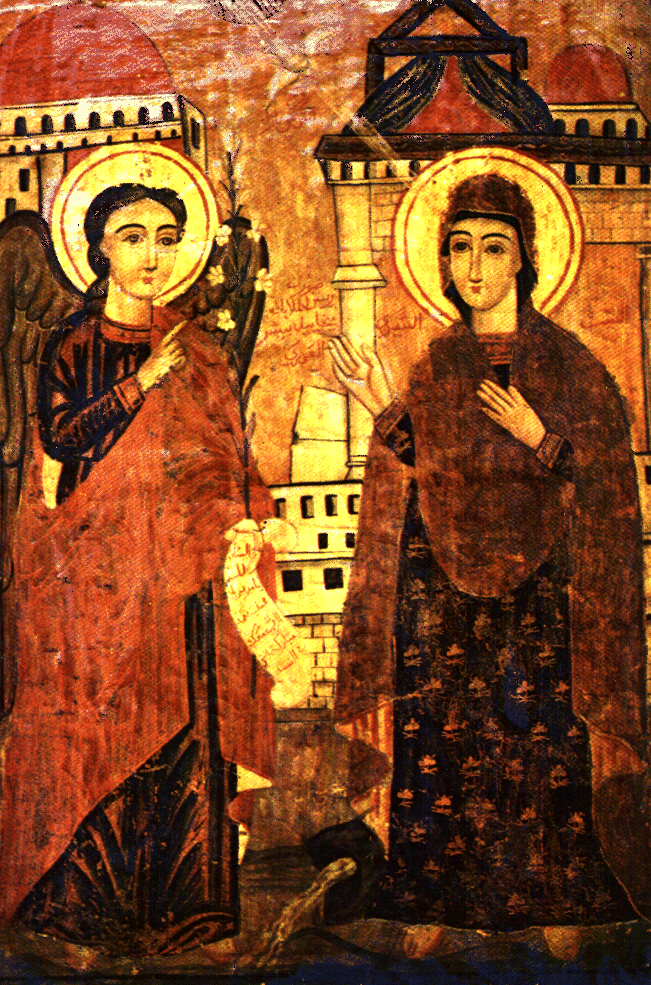
A Coptic icon of the Annunciation, showing the angel Gabriel presenting a lily as he announces the Incarnation to the Mother of God.

A Coptic icon of the Annunciation, showing the angel Gabriel presenting a lily as he announces the Incarnation to the Mother of God.

Lilies are often associated with the celebration of Annunciation. When Eve was driven from Paradise, lilies bloomed wherever her tears fell onto the earth and Gabriel presented lilies to the Virgin Mary when he announced that her Son would re-open Paradise to mankind. Other legends say that lilies blossomed from drops of milk from Hera’s breasts that fell upon the earth and that the lily was therefore the only flower with a soul. Lilies are traditionally considered to drive away ghosts and evil (esp. the Evil Eye) and can break love spells. The first lily of the season strengthens whoever finds it.

Roses are also associated with Annunciation and are used to cast love spells or in healing magic. If you plant roses in your garden, they are said to grow best if you have stolen the seeds from someone else and will then attract the faerie folk.

The Annunciation is celebrated on March 25 (the traditional date of the springtime equinox). Not only was Annunciation — and the equinox — vital to keeping track of time for secular purposes, many ancient and medieval authors claimed that the Annunciation/equinox date were vital at many points of salvation history: the birthday of Adam and the Crucifixion were said to have occurred on March 25 as well. Some also said that March 25 marked the fall of Lucifer, the parting of the Red Sea, as well as the day on which God said, “Let there be light!”

Sometimes called “Lady Day,” the Annunciation was kept as New Year’s Day in many places; the last to give up Annunciation as the New Year’s Day was England and its American colonies in 1752. The correct synchronization of the equinox with the Annunciation is a critical element in the calculation of the date of Easter and the medieval and Renaissance disconnect between the Annunciation and the equinox prompted Pope Gregory XIII to reform the calendar in 1582.

Bloodstone or Aquamarine? The Birthstone of March

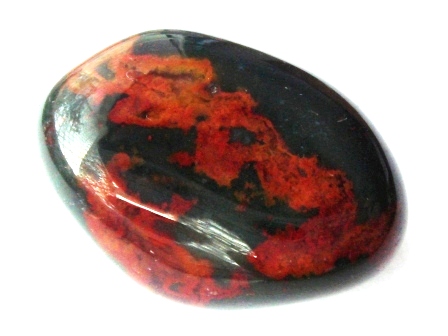
Bloodstone, the birthstone for March, is used as a medicine and an aphrodisiac.

Bloodstone, the birthstone for March, is used as a medicine and an aphrodisiac.

Bloodstone, long considered the birthstone of March, is jasper speckled with iron oxide. (Months were assigned stones and gems from the high-priest’s breastplate of Aaron in the Old Testament or the gems described as the foundations of the New Jerusalem in the Apocalypse, the “Revelation of St. John.”)

Bloodstone was used to heal blood disorders and stop bleeding noses and wounds in Babylon and was carved into amulets to protect against the Evil Eye. Ancient Greeks thought using it in ritual would hasten changes in fortune. Western European Christians in the Middle Ages thought all bloodstones had been splashed with Christ’s blood at the Crucifixion and used the stones to carve images of either the Crucifixion or scenes of martyrs’ deaths.

These gems would be pulverized and mixed into egg whites with honey and used to remove poison from snakebites. Knights and soldiers would bring bloodstones with them into battle not only to staunch bleeding but to increase courage and physical strength as well. It was also thought to confer invisibility, a useful skill in battle. It was also used as an aphrodisiac (useful after battle).

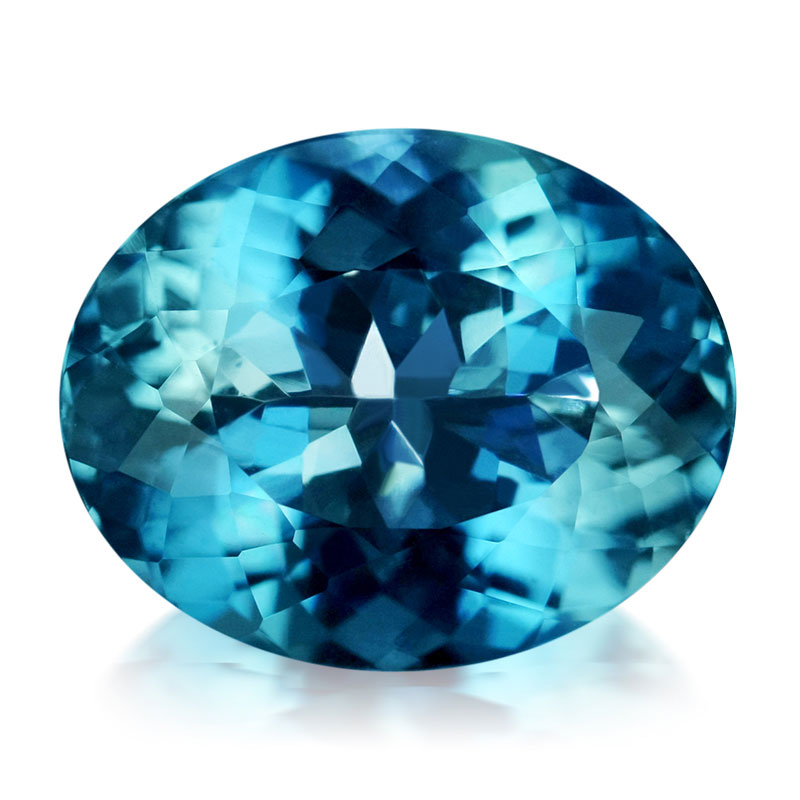
Some also associate aquamarine gems with March. This gemstone was believed to protect sailors, as well as to guarantee a safe voyage. The serene blue or blue-green color of aquamarine is said to cool the temper, allowing the wearer to remain calm and levelheaded.

In the Middle Ages, many believed that the simple act of wearing aquamarine was a literal antidote to poisoning. The Romans believed that if you carved a frog into a piece of aquamarine jewelry, it would help to reconcile differences between enemies and make new friends.

In some times and places, an aquamarine was given to the bride at her wedding in order to symbolize long unity and love. Some believed it could re-awaken love between two people; maybe that’s why it is also associated with a couple’s 19th anniversary?

The Sumerians, Egyptians, and Hebrews all admired aquamarine, and many warriors would wear it into battle to bring about victory. Many ancient medicines used powder from aquamarine to help cure all manner of infection, but it was said to be particularly good for eye ailments.

Since early times, aquamarine has been believed to endow the wearer with foresight, courage, and happiness. It is said to increase intelligence and make one youthful. As a healing stone, it is said to be effective as a treatment for anxiety and in the Middle Ages it was thought that aquamarine would reduce the effect of poisons.