New Review!

A great new review was just posted by Bonnie at The World of Tarot. She says, in part, that

“Amazing things happen in this book! …Morris does an excellent job of presenting Prague, its people and its mythology. He also does a nice job with presenting actual ritual, and with using the energy of the Tarot….”

You can read the whole review here. And then check out the rest of the site as well. She does a great job!

Sage

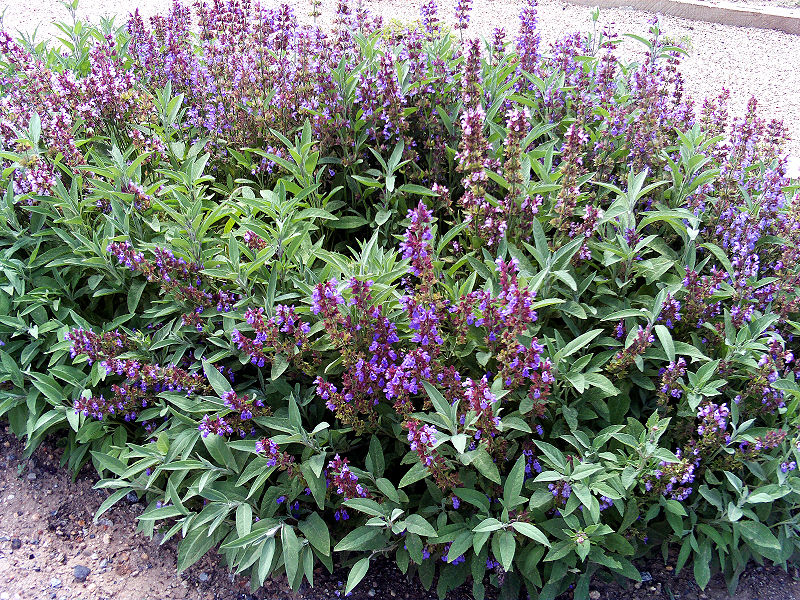
Sage in bloom

Sage in bloom

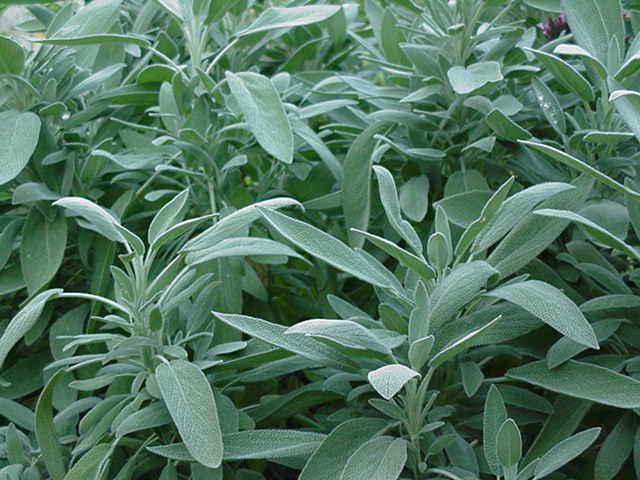
sage5

Everyone knows the folksong refrain, “Parsley, sage, rosemary, and thyme.” Well, we’ve covered parsley and rosemary. Now we turn to sage!

Nearly everyone has sage in the kitchen cupboard. Sage tastes great with fatty food dishes like duck and pork. It is also great with red meats. Sage is often used in tomato sauces. Sage is a common ingredient in turkey stuffing in the United States. But the importance of sage in occult practice long predates its use in cooking.

Designated a “masculine” herb, ruled by Jupiter and associated with the element Air, sage was named by the Greeks and Romans by a derivative of the word meaning “to be saved/healed,” as salvation and health were considered two sides of the same coin. In Old English, this name became sawage which became the modern English name sage.

Ancient Greeks considered sage among the best antidotes for the ailments we now identify as ulcers, snakebites, and consumption. Arabic sorcerers – and the western alchemists influenced by Arabic magical theory – said that sage properly used could bestow immortality.

Sage is considered a nearly universal magical cure-all, able to dispel curses and bestow wisdom, clarity, health, and prosperity. A sage leaf kept with a Tarot deck will preserve it uncontaminated by negative, distracting forces. One way to break a curse with sage is to light a leaf (or handful of leaves) and then blow out the flame, allowing the embers to continue smoking. Then use the smoldering sage to draw large, counter-clockwise circles in the air. The smoke will banish the curse and bring a blessing in its stead.

IF YOU LIKED THIS POST ABOUT THE FOLKLORE & OCCULT QUALITIES ASSOCIATED WITH SAGE, CLICK HERE TO SEE MY FANTASY NOVELS IN WHICH ALL THE MAGIC AND SUPERNATURAL EVENTS ARE BASED ON AUTHENTIC MEDIEVAL-RENAISSANCE OCCULT BELIEFS AND PRACTICES.

Candlemas

Marking the 40th day after Christmas, Candlemas celebrates the triumph of light/spring over darkness/winter. Candles blessed on this day were among the most powerful talismans available to ordinary folk in the Middle Ages.

Marking the 40th day after Christmas, Candlemas celebrates the triumph of light/spring over darkness/winter. Candles blessed on this day were among the most powerful talismans available to ordinary folk in the Middle Ages.

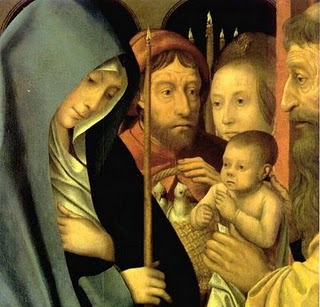
Candlemas, the name taken from the custom of blessing the year’s supply of candles on this day, is the 40th day after Christmas and marks the day Jesus was brought into the Temple by the Mother of God and acclaimed by the elder Simeon as “the light of revelation to the Gentiles and the glory of … Israel.” He also told the Mother of God that a sword would pierce her own heart during the ministry of her Son.

Candlemas, attached to the older feast of Imbolc and the quarter-day between Winter Solstice and Vernal Equinox and thus marking the first day of spring, was even more popular than Christmas in many areas (such as those under the influence of Byzantium and Byzantine Christian culture). People would flock to the churches to obtain the candles blessed on this day as the power of these candles to dispel darkness, death, illness, demons, and nearly anything else that might be considered dangerous to humans was widely reputed to make them the most powerful weapons in the medieval arsenal against evil.

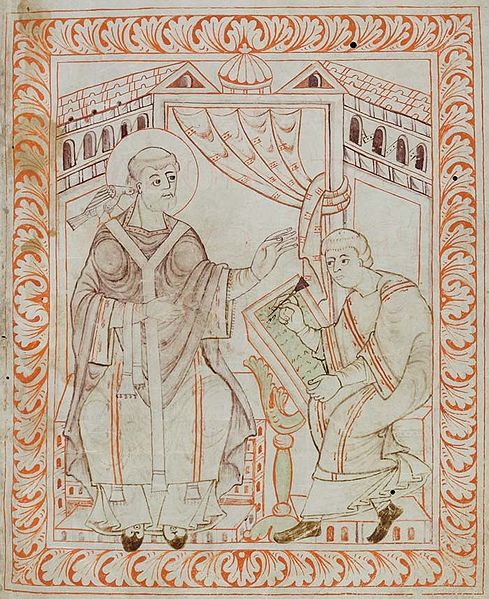
It was also common in western Europe for new archbishops or other leading churchmen to receive their pallium (the “stole,” a vestment similar to a scarf that drapes around the shoulders) on this day, woven from wool sheared from lambs on St. Agnes’ day (January 21).

10th century illumination of St. Gregory the Great wearing his pallium.

10th century illumination of St. Gregory the Great wearing his pallium.

[