Sapphire, the birthstone of September

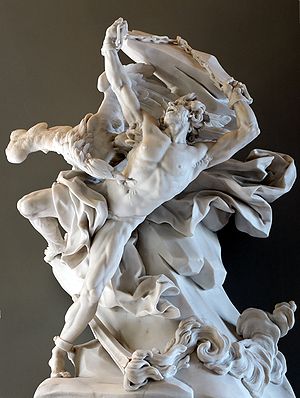
Prometheus, depicted in this 1762 statue by Nicolas Sebastien Adam, was punished for stealing a sapphire from Olympus as well as fire.

Prometheus, depicted in this 1762 statue by Nicolas Sebastien Adam, was punished for stealing a sapphire from Olympus as well as fire.

September’s birthstone is also the birthstone for the astrological signs of Taurus, Virgo, Sagittarius and Pisces. The sapphire is the gem commemorating the 5th, 23rd and 45th wedding anniversaries.

Ancient folklore claims the sapphire bestows spiritual enlightenment and inner peace upon its wearer, as well as providing protection from harm. Because sapphires were thought to hold the power of wisdom, those wearing these gemstones would be guided to make the correct decision when faced with obstacles and difficult situations. Sapphires have been credited with the ability to detect purity and faith, as well as possessing the power to foretell the future and attract divine favour. Because the sapphire represents purity of purpose and deed, medieval-era church officials chose the gemstone to decorate their rings and sceptres.

The Ten Commandments handed to Moses by God in the Bible were said to have been carved on sapphire. Different English Bible translations believe the word “Sapir” in Exodus 28:18 is “sapphire”, referring to the stone on the garments of the priest of the Issacar tribe.

Eastern cultures treasure the sapphire as a talisman for warding off evil; in India a sapphire necklace affords its wearer powerful protection. In the West, the unique star sapphire is known as the Stone of Destiny, with the three lines crossed lines that form the “star” representing Faith, Hope and Charity. Such is the power of the star sapphire it is believed the gemstone will continue to guide and protect its first wearer even after it has been passed to other people.

Greek mythology claims that when Prometheus stole fire from the gods to give to mortals he also stole a sapphire. The dreadful punishment exacted by the gods for this misdeed would indicate the sapphire failed to protect the unfortunate Prometheus. Ancient Persians believed the earth rested on a giant blue sapphire, and the gemstone’s colour was reflected onto the sky.

In the Middle Ages blue gemstones were used to treat eye diseases and as an antidote to poison. Members of royalty wore sapphire around their necks to protect them from envy, poison and harm. Sapphires were considered to be an effective treatment for colic and rheumatism, as well as being used to ease certain mental illnesses.
Aster and Morning Glory: September’s Blossoms

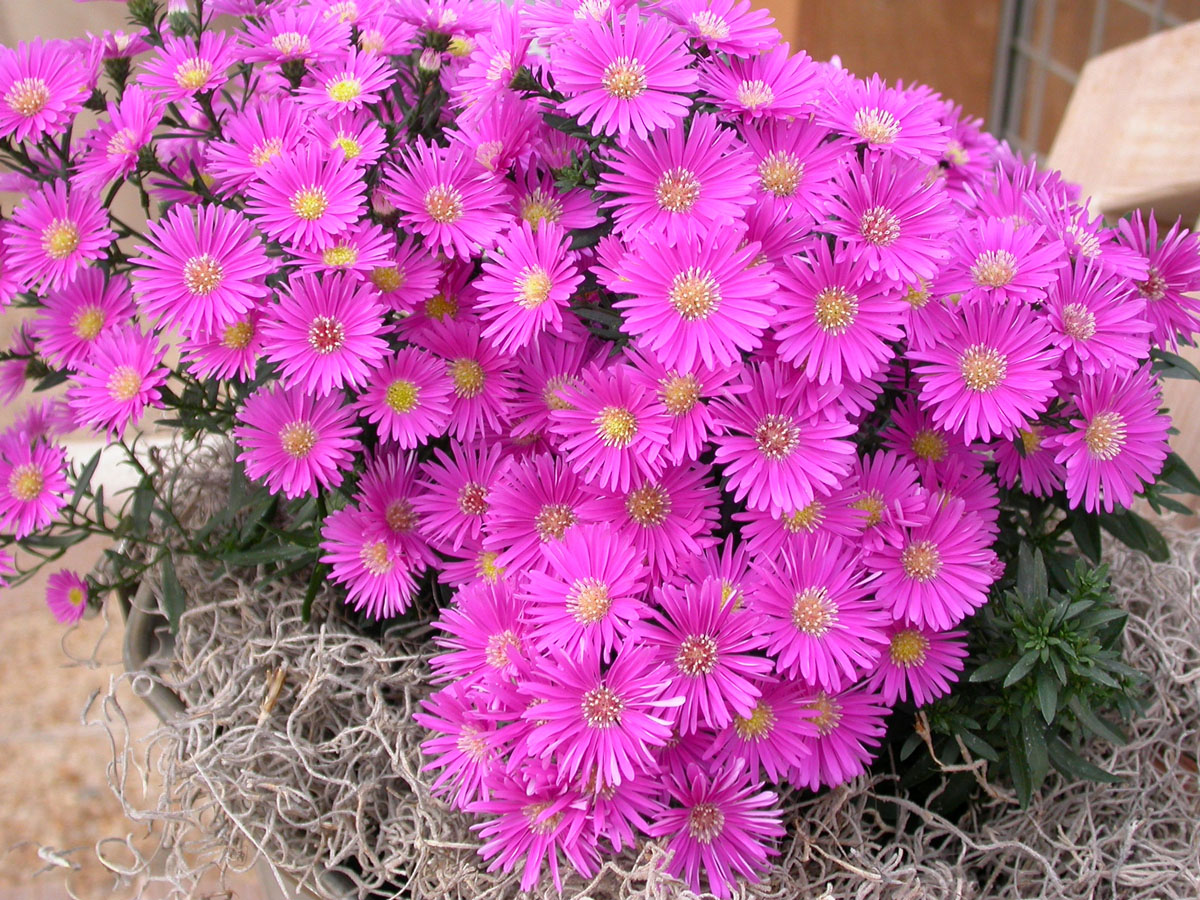
Aster, one of the "birth flowers" of September, is also called Michaelmas Daisy.

Aster, one of the “birth flowers” of September, is also called Michaelmas Daisy.

September’s birth flowers are the aster and the morning glory. Asters, also called a “michaelmas daisy” for the Michaelmas holiday on September 29, are a feminine flower associated with the element of water and the goddess Aphrodite. They are used in sachets to attract love. You can also give blooming asters to someone whose love you wish to attract.

Morning glory, however, while also associated with water is a masculine flower and attractive to Saturn. Its seeds can be placed beneath pillows to stop nightmares and a garden that contains morning glory is a source of peace and happiness. Morning glory root can also be used in a sachet to attract wealth (anoint it with mint oil first). The roots can also be steeped in oil and the oil used to anoint items to be used in magical practice.

Happy New Year: Shofars and Possesions


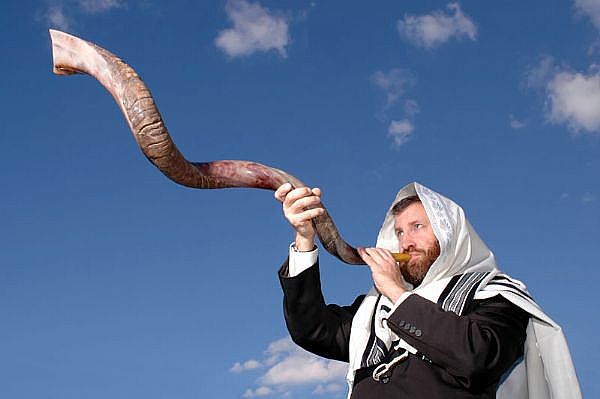
A man blows the shofar.

A man blows the shofar.

This year the Jewish celebration of the High Holy Days falls in very early September. Considered the birthday of Adam and the “Days of Awe” during which God judges the world to decide who will live or die during the coming 12 months, the celebration of the New Year and Day of Atonement are especially solemn. One of the most noted New Year’s practices is the blowing of the shofar during the New Year services. When the walls of Jericho fell, it was in response to the blowing of shofars by the army of Israel. Hebrew folklore also indicates that blowing a shofar was used to implore God to bring rain during times of drought and serve as a warning blast to the people when a disaster was looming on the horizon. It was a heavenly shofar that sounded when God gave Moses the 10 Commandments on Mt. Sinai and it is a shofar the angels will blow to announce the End of the World.

Because of the association of the High Holy Days with repentance, judgement, and death it also a time when the division between the living and the dead is considered thin indeed. One way the dead or other spirits interact with the living is by possesion. Some spirits that attack the living are ghosts but others are demonic entities. Some demons are fallen angels but according to some Kabbalistic thought, a man who masturbates, has a “wet dream,” or has a seminal emission under other unhallowed circumstances, his semen gives birth to “spiritual children” which gravitate against him [and his family] as negative spiritual forces. The man may redeem these spiritual children through remorse and repentance and end their damaging influence upon himself and his loved ones.

A ghost that posses the living is called a “dybbuk.” The term first appears in a number of 16th century writings, and earlier accounts of possession (such as that given by Josephus) were of demonic possession rather than that by ghosts. The 16th century accounts advocated orthodoxy among the populace as a way to prevent possession by a dybbuk. For example, it was suggested that a sloppily made mezuzah or entertaining doubt about Moses’ crossing of the Red sea opened one’s household to dybbuk possession.

There are also other accounts of soul transmigration in Jewish mythology. In contrast to the dybbuk, the “Ibbur” is a positive possession, which happens when a righteous soul temporarily possesses a body. This is always done with consent, so that the soul can perform a good deed, known as a “mitzvah.” Some kabbalists put forth the idea that a soul must live through many lives before it gains the wisdom to rejoin with God.