
Hallowe’en


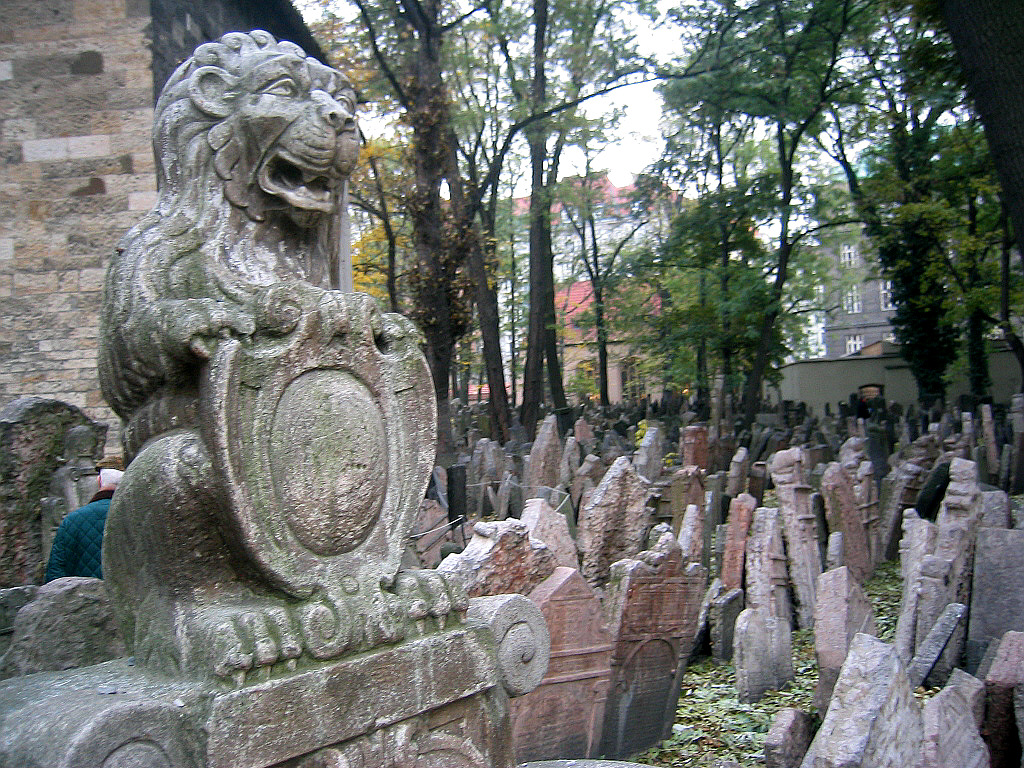
The Jewish Cemetery in Prague. The doorways between the living and the dead were thought to open on the Celtic feast of Samhain.

The Jewish Cemetery in Prague. The doorways between the living and the dead were thought to open on the Celtic feast of Samhain.

The word Halloween was first used in the 16th century and represents a Scottish variant of the fuller All Hallows’ Eve (‘evening’), that is, the night before All Hallows’ Day. Although the phrase All Hallows’ is found in Old English (ealra hālgena mæssedæg, mass-day of all saints), All Hallows’ Eve is itself not seen until 1556. In traditional European cultures, the festival was considered the first day of winter; thus, the holidays of Christmas and the December solstice were MID-winter (as many Christmas carols refer to it).

Though the origin of the word Halloween is Christian, the holiday is commonly thought to have partial pagan roots. Historian Nicholas Rogers, exploring the origins of Halloween, notes that while “some folklorists have detected its origins in the Roman feast of Pomona, the goddess of fruits and seeds, or in the festival of the dead called Parentalia, it is more typically linked to the Celtic festival of Samhain“, which comes from the Old Irish for “summer’s end”.[12] Samhain was the first and most important of the four quarter days in the medieval Gaelic (Irish, Scottish, and Manx) calendar. It was held on or about October 31 – November 1 and kindred festivals were held at the same time of year in other Celtic lands; for example the Calan Gaeaf (in Wales), Kalan Gwav (in Cornwall) and Kalan Goañv (in Brittany). It marked the end of the harvest season and the beginning of winter or the ‘darker half’ of the year.

Samhain (like Beltane, on February 1-2) was seen as a time when the ‘door’ to the Otherworld opened enough for the souls of the dead, and other beings such as fairies, to come into our world. The souls of the dead were said to revisit their homes on Samhain. Lewis Spence described it as a “feast of the dead” and “festival of the fairies”. However, harmful spirits and fairies were also thought to be active at Samhain. People took steps to allay or ward-off these harmful spirits/fairies, which is thought to have influenced today’s Halloween customs. The practice of lighting bonfires during Hallowmas may have been a Christianized one, as the Celts lit bonfires during Samhain as well.
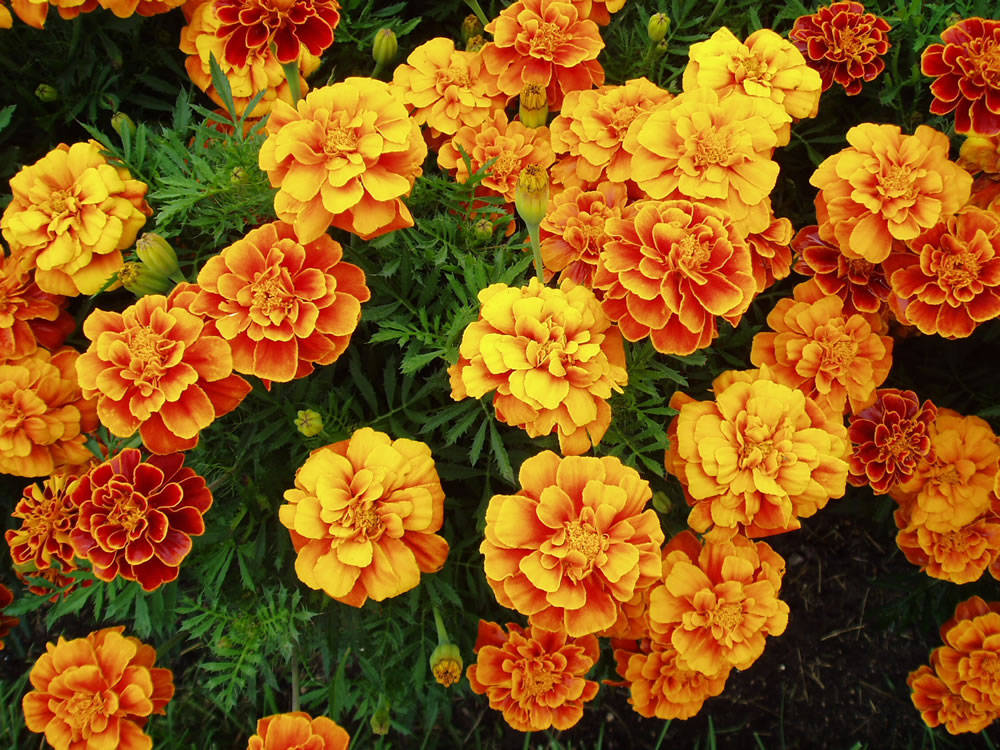
Marigold, the “birth flower” of October


Marigold blossoms can be strung between doorposts to keep evil out of the house. If a girl steps onmarigold petals with her bare feet, she will be able to understand the languages of birds.

Marigold blossoms can be strung between doorposts to keep evil out of the house. If a girl steps onmarigold petals with her bare feet, she will be able to understand the languages of birds.

The flower symbolism associated with marigolds is indicated in the name: Mary’s Gold. Marigold flowers were “golden gifts” offered to the Virgin by the poor who could not afford to give actual gold. Marigolds were used in Mary Gardens. Marigolds are symbolic of passion and creativity. Marigolds are also known as the “Herb of the Sun.” Marigolds have been used as love charms and incorporated into wedding garlands. In some cultures, marigold flowers have been added to pillows to encourage prophetic or psychic dreams.

The flower symbolism associated with marigold is grief, despair and sorrow. Marigold blossoms in wine are said to ease indigestion and the petals are used in ointments to cure skin irritations, jaundice, sore eyes and toothaches.

Like the sunflower, the marigold blossom follows the sun; as a result, it has earned the nickname “Sun’s Bride.”

In Germany, the flower was often called ‘monk’s head’ because when stripped of its petals, the remains look like a monk’s tonsure.

It is believed that when Shakespeare wrote about “merrybuds,” he was referring to the blossoms of marigold.

IF YOU LIKED THIS POST ABOUT THE FOLKLORE & OCCULT QUALITIES ASSOCIATED WITH MARIGOLDS, CLICK HERE TO SEE MY FANTASY NOVELS IN WHICH ALL THE MAGIC AND SUPERNATURAL EVENTS ARE BASED ON AUTHENTIC MEDIEVAL-RENAISSANCE OCCULT BELIEFS AND PRACTICES.

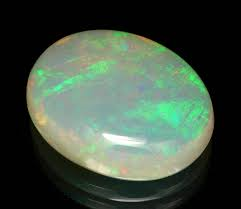
Opal, the birthstone of October


An opal could bring either good fortune or death, as it was a source of liminal power that never left unaltered the person who wore it.

An opal could bring either good fortune or death, as it was a source of liminal power that never left unaltered the person who wore it.

 The name opal is derived from the Sanskrit word “upala,” as well as the Latin “opalus,” meaning “precious stone.” Opal is a gemstone of much variety; the ancient Roman natural historian Pliny once described it in the following way:

“… it is made up of the glories of the most precious stones. To describe it is a matter of inexpressive difficulty: There is in it the gentler fire of the ruby, the brilliant purple of the amethyst, the sea-green of the emerald, all shining together in an incredible union.”

To ancient Romans, the opal was a symbol of love and hope. Orientals called it the “anchor of hope.” Arabs say it fell from the heavens in flashes of lightning. It was believed to make its wearer invisible, hence the opal was the talisman of thieves and spies.

During the Medieval period, a change in color intensity of an opal was believed to indicated if its wearer was ill or in good health. The opal was supposed to maintain a strong heart, prevent fainting, protect against infection, and cleanse foul-smelling air. The stone, as in ancient times, was still regarded as a symbol of hope.

But the opal’s reputation changed in the mid-14th century. The Black Death swept across Europe, killing one quarter of its population. The gem was believed to be the cause of death. When worn by someone struck with the deadly plague, it would appear brilliant only until the person died. Then it would change in appearance, losing its luster. In reality, it was the sensitivity of this stone to changes in temperature that altered its appearance, as the heat from a burning fever gave way to the chill of death.

In Elizabethan England, the opal was treasured for its beauty. Shakespeare wrote of it in the Twelfth Night as the “queen of gems.” Queen Victoria presented her children with opal jewelry, thus making the stone popular. But the stone continued to have a mixed reputation, chiefly due to a novel written by Sir Walter Scott in 1887 that depicted it as a stone of evil.