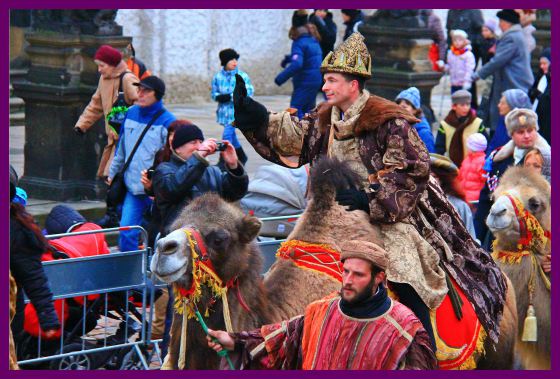
Epiphany in Prague, 2015

befunky_3-kingsparade-005 Prague 2015

befunky_3-kings parade-004 Prague 2015

befunky_2 3-kings parade Prague 2015

befunky_3-kings parade Prague 2015

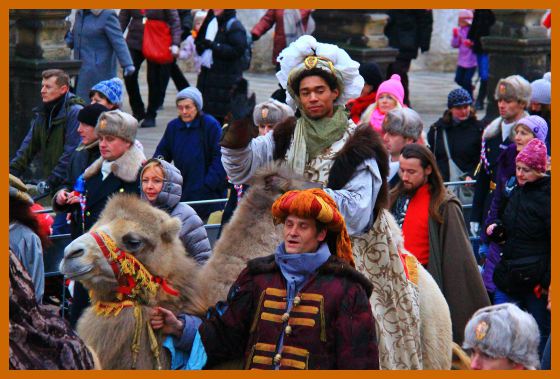
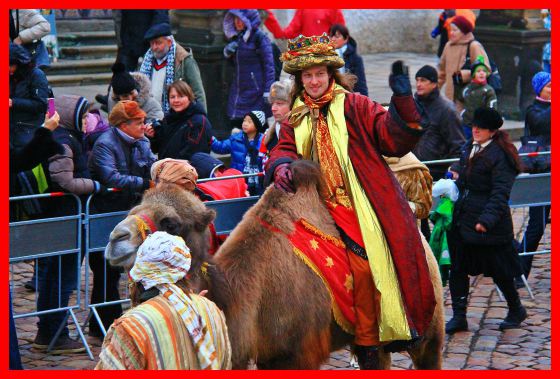
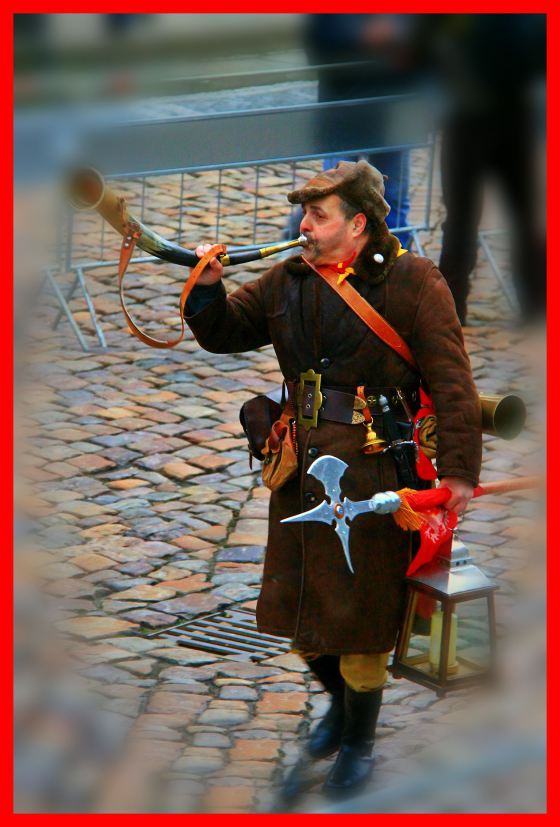
These wonderful photos of the Parade of the Three Kings (held in Prague this past week, on January 6) were taken by the good folks at the Czechrus website. This is one of the blogs about contemporary life in Prague and the Czech Republic that I follow. Another one is by Ricky Yates. If you are interested in what’s going on in Prague these days — in addition to what went on in the 1350s or the summer of 2002, as described in Come Hell or High Water — you should look at these two blogs. If you do, tell them I sent you! 🙂

Twelfth Night, 2015

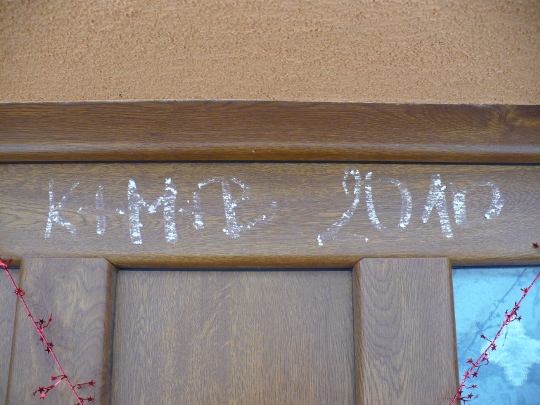
Czech doors inscribed with Epiphany blessing

Czech doors inscribed with Epiphany blessing

Western Christians observe a twelve-day festival, starting on December 25, and ending on January 5, known as Christmastide or the Twelve Days of Christmas. Christmas ends with the celebration of Epiphany (January 6), the end of the Twelve Days.

On the Feast of the Epiphany, the priest, wearing white vestments, will bless the Epiphany water, frankincense, gold, and chalk. Chalk is used to write the initials of the three magi over the doors of churches and homes. The letters stand for the initials of the Magi (traditionally named Caspar, Melchior, and Balthasar), and also the phrase Christus mansionem benedicat, which translates as “may Christ bless the house”.

In the 15th century, the Magi were also invoked to protect epileptics from seizures. They were named in all-purpose conjurations of various sorts and were considered extremely powerful figures. Their relics are said to be housed in the cathedral of Cologne (beginning in the late 1100s) and were an important destination for pilgrims in the following centuries.

There is also a legend that all the water in a house will become wine (at midnight?) on Epiphany Eve; this ties in with the commemoration of the wedding at Cana, when Jesus turned water into wine, which is a secondary or even tertiary theme of the Epiphany festival.

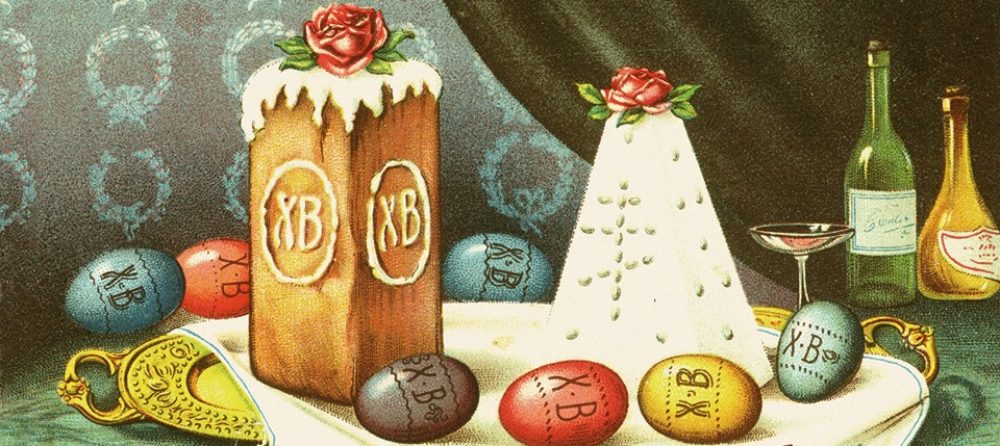
According to ancient custom, the priest announced the date of Easter on the feast of Epiphany. This tradition dated from a time when calendars were not readily available, and the church needed to publicize the date of Easter, since many celebrations of the liturgical year depend on it. The proclamation may be sung or proclaimed at the ambo by a deacon, cantor, or reader either after the reading of the Gospel or after the post-communion prayer. (In New York City, the only church I know to do this according to the proper chant is the Church of St. Mary the Virgin, commonly known as “Smokey Mary’s,” in Times Square.)
How Am I Doing?

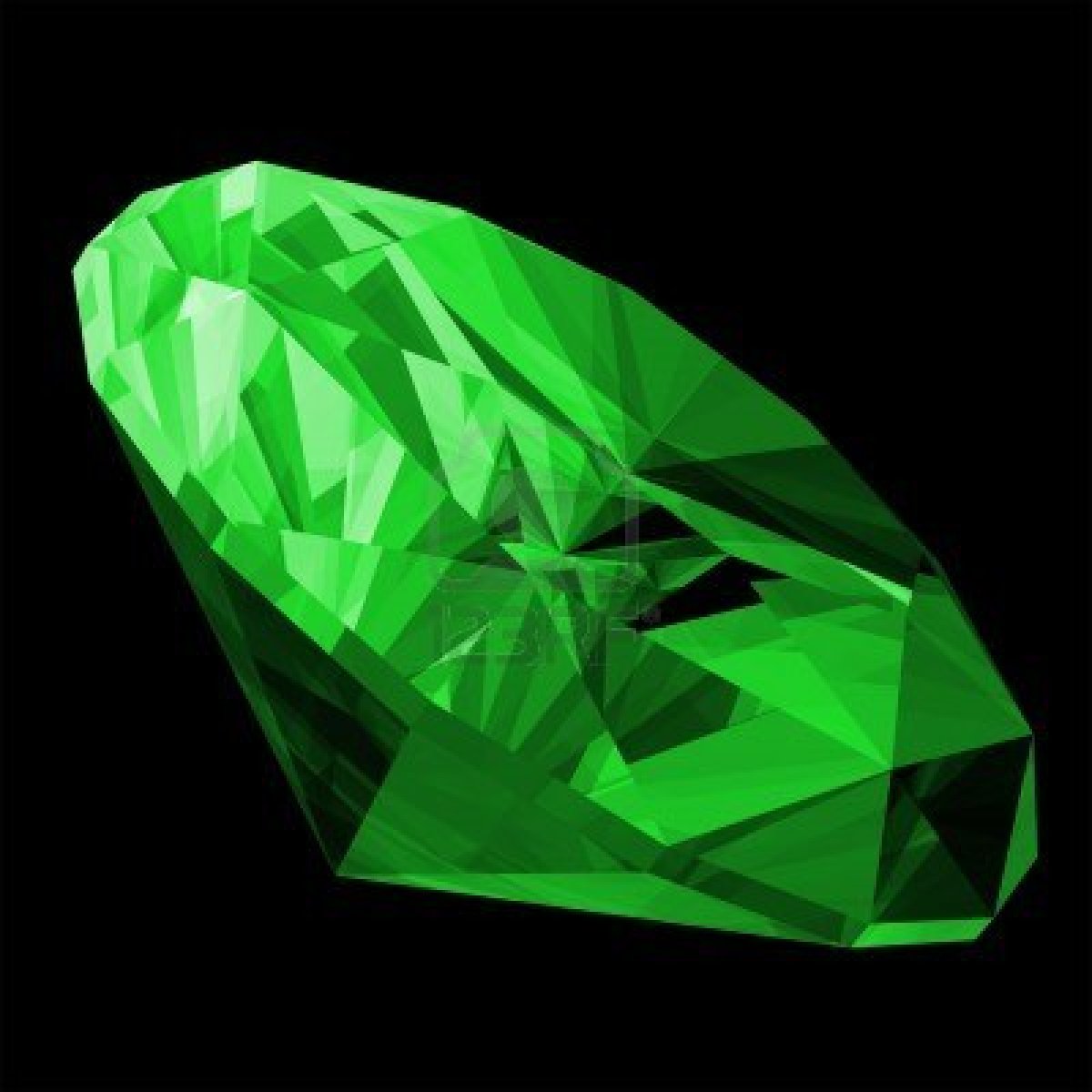
The post about EMERALD was the most viewed post of 2014. Emerald is regarded as the traditional birthstone for May, as well as the traditional gemstone for the astrological signs of Taurus, Gemini and sometimes Cancer. Astrologers also consider emerald a gem of the planets Mercury, Venus and Jupiter.

The post about EMERALD was the most viewed post of 2014. Emerald is regarded as the traditional birthstone for May, as well as the traditional gemstone for the astrological signs of Taurus, Gemini and sometimes Cancer. Astrologers also consider emerald a gem of the planets Mercury, Venus and Jupiter.

To kick off the new year, I’d like to share with you data on this site’s activity in 2014.

The concert hall at the Sydney Opera House holds 2,700 people. This blog was viewed about 19,000 times in 2014. If it were a concert at Sydney Opera House, it would take about 7 sold-out performances for that many people to see it. Visitors to this site came from 160 different countries.

The busiest day of the year was April 4th with 145 views. The most popular post that day was Emerald, which was also the most frequently viewed post throughout the year. The other most popular posts were:

Daffodil, the flower of March
Lily of the Valley
Marigold, the “birth slower” of October
St. John’s Wort