

Rose, the flower of June

Rose 02

Roses, the flower of June, are reputed to have many and varied magical uses. Modern uses associate roses most often with love but older uses include just as many practices that involve roses and death.

Falling rose petals may be an omen of death. One superstition like that is that if rose petals fall off roses a person is holding then that person will pass away soon. In more general terms, it is a sign of misfortune if a rose blooms in the autumn.

Romans decorated their tombs with roses. Roses can be planted near graves to protect the dead from evil. (Red roses were planted to mark the graves of lovers and white roses to mark the graves of virgins.)

If a young woman has more than one lover she can determine the one to marry by writing the men’s names on rose leaves and then throwing them into the wind. The name on the last leaf to touch the ground is the one she will marry. Or a girl has no prospective lovers, she can carefully wrap a rose away in a piece of clean white paper on Midsummer Eve and keep it until Christmas Day. If the rose is still intact, she has to wear it in her buttonhole. The first man who admires the rose will become her husband.
Gemini


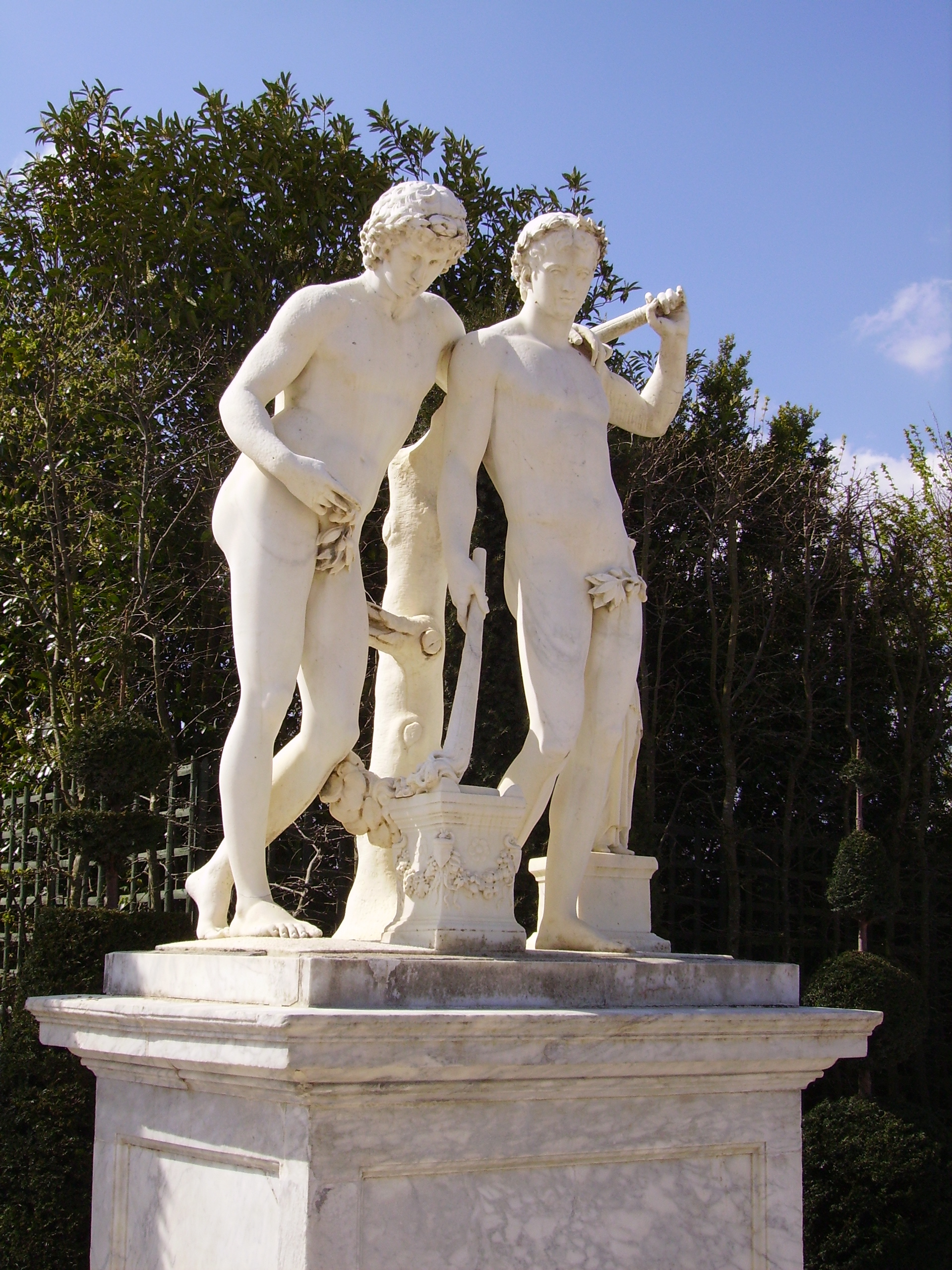
Statue of the twins Castor and Pollux, now in the Parc de Versailles.

Statue of the twins Castor and Pollux, now in the Parc de Versailles.


In Greek and Roman mythology, Castor and Pollux were twin brothers, together known as the Dioscuri. Their mother was Leda, but Castor was the mortal son of Tyndareus, the king of Sparta, and Pollux the divine son of Zeus, who seduced or raped Leda in the guise of a swan.Though accounts of their birth are varied, they are sometimes said to have been born from an egg, along with their twin sisters Helen of Troy and Clytemnestra.


In Latin the twins are also known as the “Gemini” or “Castores.” When Castor was killed, Pollux asked Zeus to let him share his own immortality with his twin to keep them together, and they were transformed into the constellation Gemini. The pair was regarded as the patrons of sailors, to whom they appeared as St. Elmo’s Fire, and were also associated with horsemanship.

Even after the rise of Christianity, the Dioskouroi continued to be venerated. The fifth-century pope Gelasius I attested to the presence of a “cult of Castores” that the people did not want to abandon. In some instances, the twins appear to have simply been absorbed into a Christian framework; thus fourth-century AD pottery and carvings from North Africa depict the Dioskouroi alongside the Twelve Apostles, the Raising of Lazarus or with Saint Peter. The church took an ambivalent attitude, rejecting the immortality of the Dioskouroi but seeking to replace them with equivalent Christian pairs. Saints Peter and Paul were thus adopted in place of the Dioskouroi as patrons of travelers, and Saints Cosmas and Damian took over their function as healers.

Those born May 21–June 21 are considered to be under the patronage of the Twins and are intellectually inclined, forever in search of information. The more information a Gemini collects, the better. Sharing that information later on with those they love is also a lot of fun, for Geminis are supremely interested in developing their relationships. Dalliances with these folks are always enjoyable, since Geminis are bright, quick-witted and the proverbial “life of the party.” Even though their intellectual minds can rationalize forever and a day, Geminis also have a surplus of imagination waiting to be tapped.


Lily of the Valley


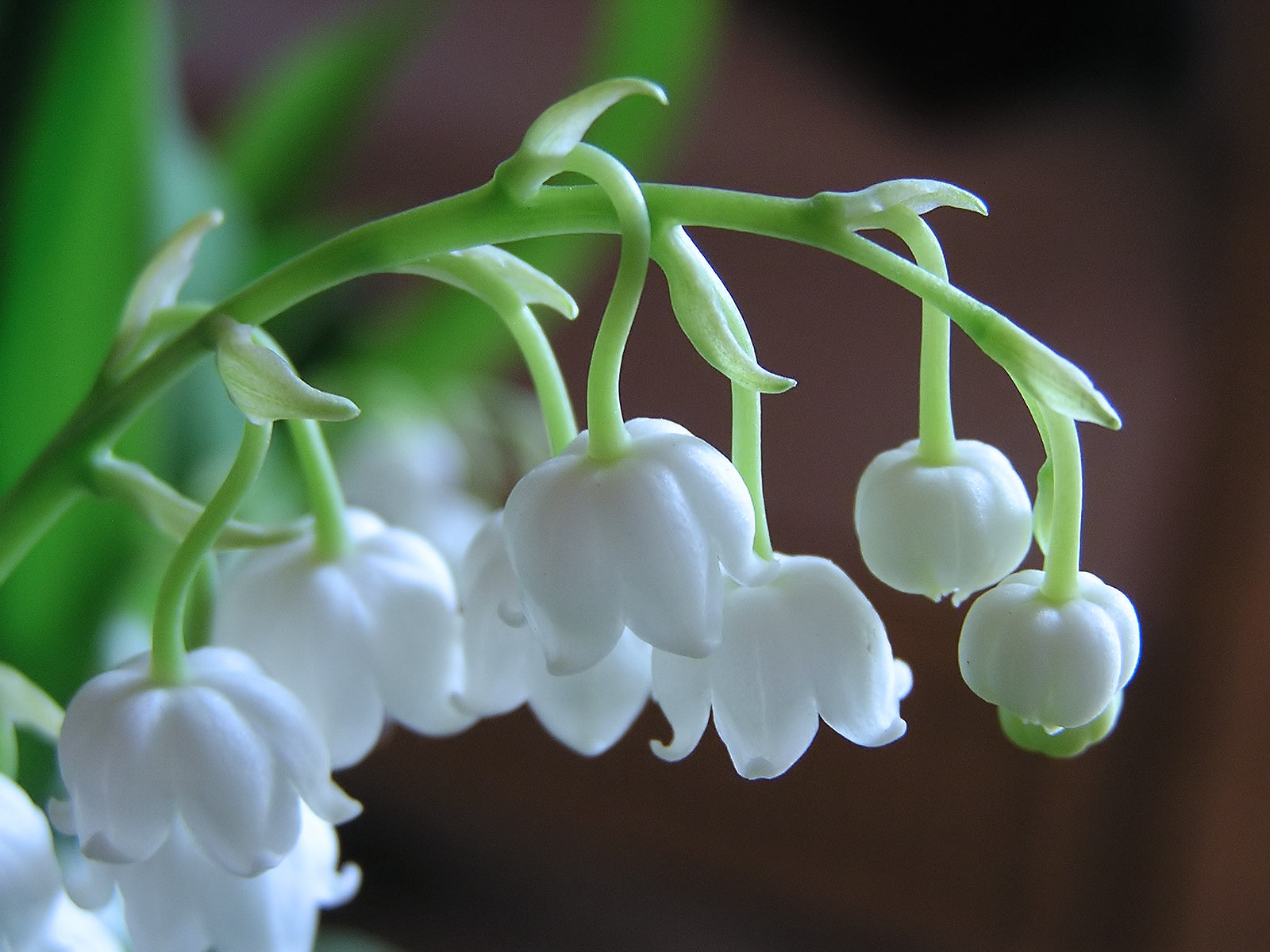
Lily of the Valley is considered a "masculine" plant, dedicated to Mercury and associated with the element of Air. If you dream of Lily of the Valley, it can be indicative of a desire to flee the constraints of day-to-day life or re-discover the simple joys of nature.

Lily of the Valley is considered a “masculine” plant, dedicated to Mercury and associated with the element of Air. If you dream of Lily of the Valley, it can be indicative of a desire to flee the constraints of day-to-day life or re-discover the simple joys of nature.

Lily of the Valley, the flower of May much as emerald is the birthstone of May, since Maia, the daughter of Atlas, was the mother of Mercury. The flower is known by many names: May Lily, Our Lady’s Tears, and Jacob’s Ladder among them. (Daffodil, known as “lent lily,” and the well-known Easter Lily make this May Lily part of a springtime lily sequence.) Associated with the planet Mercury for astrological purposes and the healing gods Apollo and Aesculapius, the Lily of the Valley is a potent plant for magical medicinal purposes and for increasing mental abilities. It can therefore be considered related to the suit of Swords in the tarot deck.

However, all parts of the plant are highly poisonous, including the red berries which may be attractive to children. If ingested—even in small amounts—the plant can cause abdominal pain, vomiting, and a reduced heart rate.

IF YOU LIKED THIS POST ABOUT THE FOLKLORE & OCCULT QUALITIES ASSOCIATED WITH LILY-OF-THE-VALLEY, CLICK HERE TO SEE MY FANTASY NOVELS IN WHICH ALL THE MAGIC AND SUPERNATURAL EVENTS ARE BASED ON AUTHENTIC MEDIEVAL-RENAISSANCE OCCULT BELIEFS AND PRACTICES.