
Sagittarius

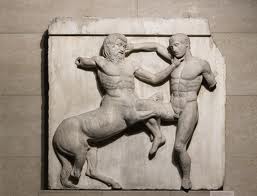
This carving from the Parthenon depicts hand-to-hand (Hand-to-hoof?) combat between a centaur and a human.

This carving from the Parthenon depicts hand-to-hand (Hand-to-hoof?) combat between a centaur and a human.

Sagittarius (the astrological sign of those born November 23–December 22) is one of the 48 constellations listed by the 2nd-century astronomer Ptolemy and remains one of the 88 modern constellations. Its name is Latin for “the archer,” and its symbol is Sagittarius.svg, a stylized arrow.

The Babylonians identified Sagittarius as the god Nerigal or Nergal, a strange centaur-like creature firing an arrow from a bow. It is generally depicted with wings, with two heads, one panther head and one human head, as well as a scorpion’s stinger raised above its more conventional horse’s tail. The Sumerian name Pabilsag is composed of two elements – Pabil, meaning ‘elder paternal kinsman’ and Sag, meaning ‘chief, head’. The name may thus be translated as the ‘Forefather’ or ‘Chief Ancestor’. The figure is reminiscent of modern depictions of Sagittarius.

In Greek mythology, Sagittarius is identified as a centaur: half human, half horse. In some legends, the Centaur Chiron was the son of Philyra and Saturn, who was said to have changed himself into a horse to escape his jealous wife, Rhea. Chiron was eventually immortalised in the constellation of Centaurus or in some version, Sagittarius.

The arrow of this constellation points towards the star Antares, the “heart of the scorpion.”

Sagittarius is undoubtedly one of the most positive of the star signs. If you were born under this sign, you are extremely confident in whatever you do. Being one of the luckiest signs, fortune seems to favor you, whether you plan things or not. That’s also the reason you don’t mind taking the odd risk or two. You feel as if you can’t possibly lose. This almost cocky attitude is something that attracts people to you.

You’re also very enthusiastic, and this is contagious — people can’t help but feel the same way in your presence.

Because people like you so much, they want to help you achieve your goals. But sometimes your life objectives are colossal — those arrows seem to shoot much further than the eye can see. Your philosophy is to bite off more than you can chew and then chew as fast as you can.

People around you will sometimes feel that you’re overly ambitious, and that your aims are pie in the sky. This is not likely to change you: you’d always rather aim high and take on the adventure of life than get to the end of the road regretting that you didn’t have a good go at making your dreams come true.
Topaz

Topaz

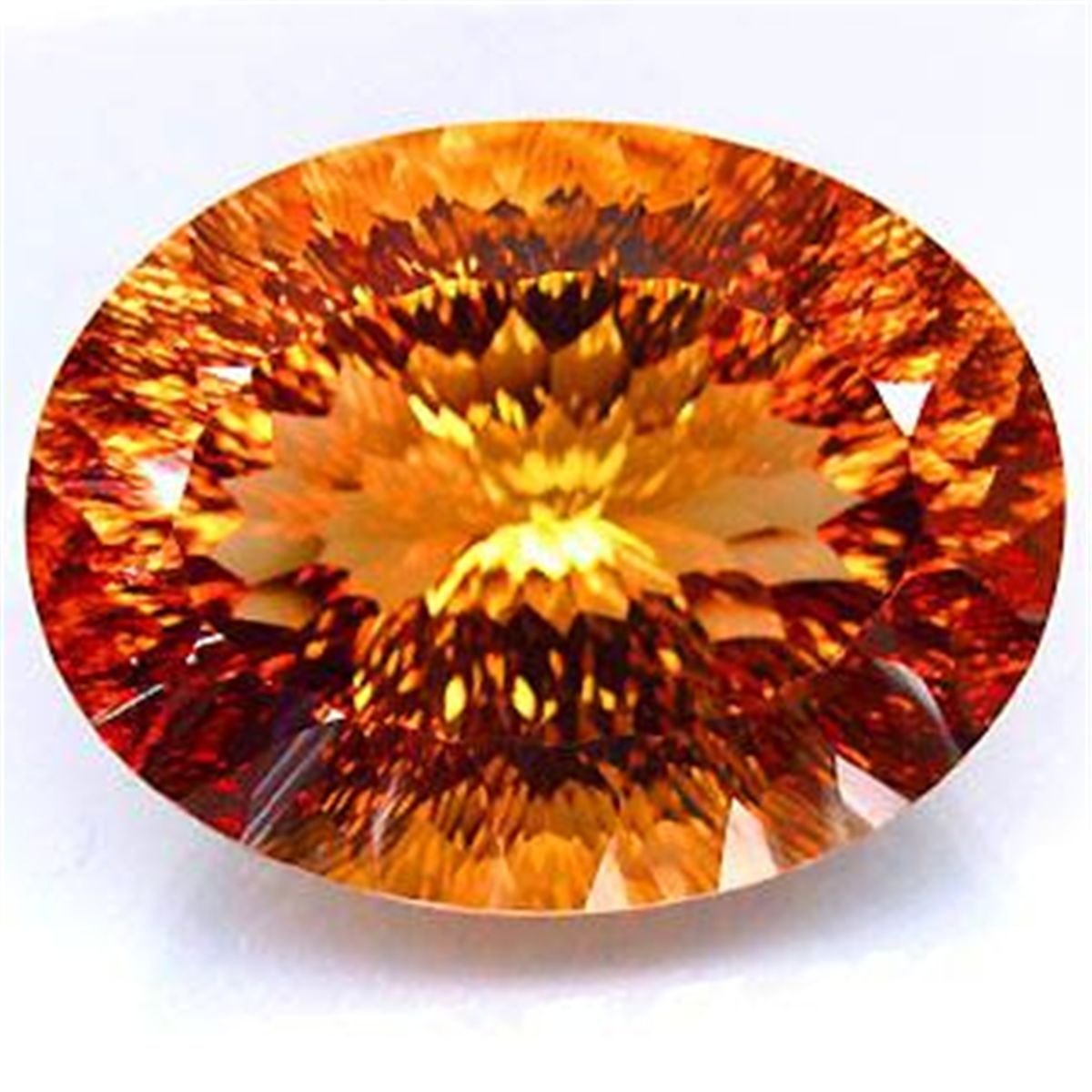
Topaz was one of the original gems on the breastplate of the Jewish high priest, inscribed to with the name of one of the twelve tribes of Israel. While many of the birthstones have been changed over the millennia, topaz is one gem that is almost universally accepted as November’s birthstone; it is the gem of the zodiac sign Sagittarius. It is also called Sunday’s gemstone-and it associated with the sun.

Indeed, St. John in Revelation writes that topaz was “touched by the splendor of the sun.” He lists topaz as the ninth foundation stone–each of the stones represents a Christian virtue. To St. John, topaz is the clearest of all gemstones and signifies contemplation which expands the heart and aligns men with the nine orders of angels.

The name, “topaz,” comes from the island, Topazio, which is in the Red Sea. It was commonly used as an amulet as protection from the “evil eye.” The theme of a cure of eyes runs though some of the early Christian writing from the tenth century. St. Hildegard of Bingen claimed the gem was so brilliant that it illuminated prayers in a dark chapel, and claimed the gem was a cure of dim vision. She recommended placing a piece of topaz in white wine for three days and nights, then rubbing the eye with the stone before sleep with the wet stone and using the wine as an eye wash.

Other “healing” applications vary over the centuries. Powdered topaz placed in wine cured asthma, burns, insomnia and hemorrhage. It was said to cure sadness and make you more intelligent and was particularly powerful if used in moonlight. Pope Clement VI and Pope Gregory II claimed that topaz could even cure the sores from the plague.

Chrysanthemum

Chrysanthemum

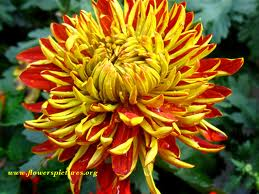
With a history that dates back to 15th century B.C., chrysanthemum mythology is filled with a multitude of stories and symbolism. Named from the Greek prefix “chrys-“ meaning golden (its original color) and “-anthemion,” meaning flower, years of artful cultivation have produced a full range of colors, from white to purple to red. Daisy-like with a typically yellow center and a decorative pompon, chrysanthemums symbolize optimism and joy. They’re the November birth flower, the 13th wedding anniversary flower and the official flower of the city of Chicago. In Japan, there’s even a “Festival of Happiness” to celebrate this flower each year.

Alchemists associate Chrysanthemum with the element fire and its traditional occult or folk-use was always protective: wearing the flowers can protect against the wrath of both gods and evil spirits and a garden in which chrysanthemum blooms is off-limits to evil sprites or demons. Drinking an infusion of the flower can cure drunkenness (hangovers)!